10 Best Wanton Mee in Singapore
From springy dry bowls to KL-style dark sauce and fiery chilli, here are 10 of the best wanton mee in Singapore, from hawker stalls to institutions.
- Edited by
- Amir Wahab
- Published
- Reading time
- 4 min read
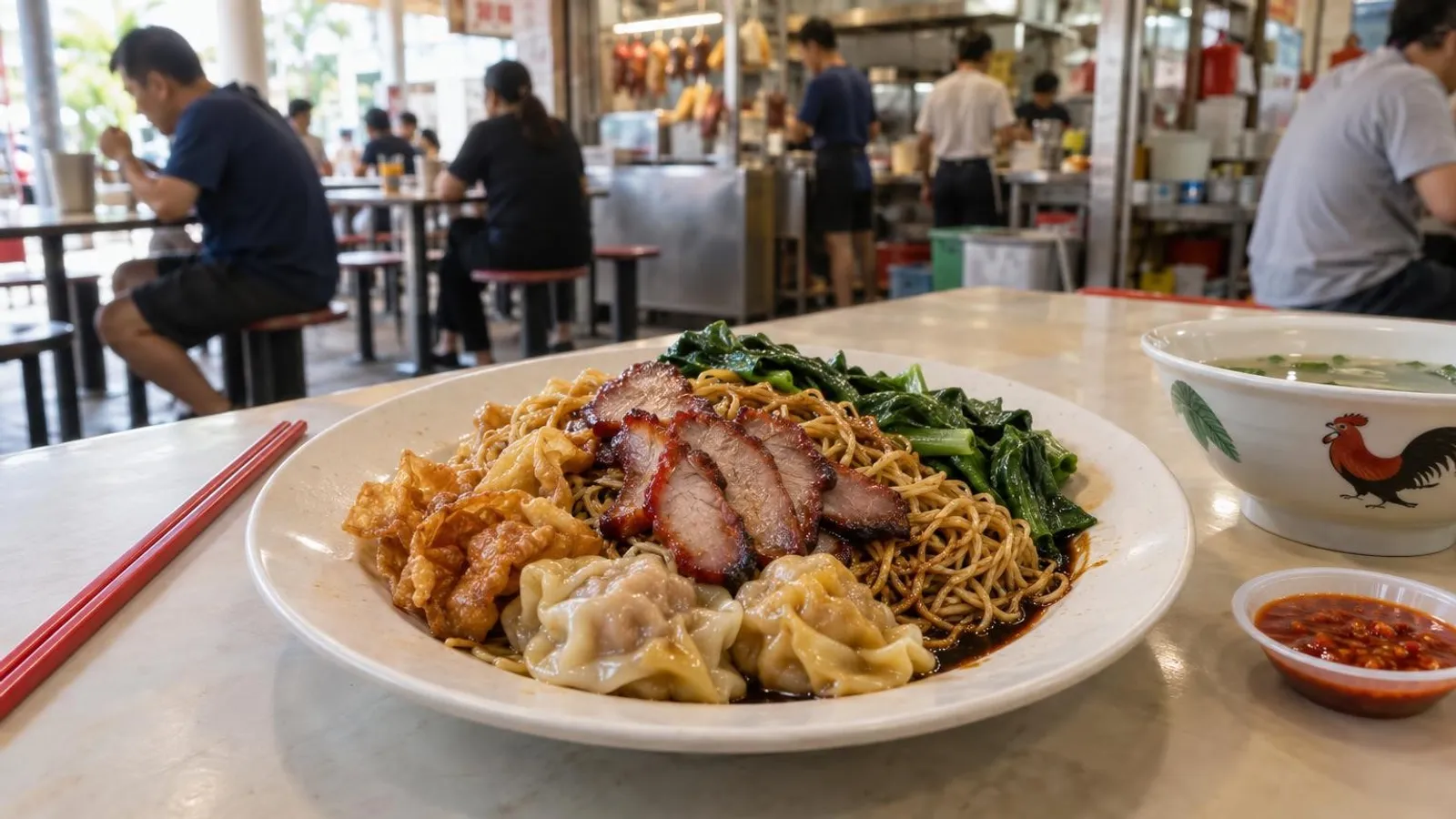 AI image by LocalRank
Few hawker dishes stir as much loyalty as wanton mee in Singapore, where springy egg noodles meet char siew, wanton and dumplings in either a dry, sauce-tossed bowl or a lighter soup. Styles range from the fiery local chilli version to the darker, sweeter KL treatment. This shortlist gathers ten real, currently-operating stalls and shops, each checked for a documented current presence, to match to your craving.
1. Eng's Wantan Noodle
Eng's is a Tanjong Katong institution built on a dry, local-style bowl and a famously fierce chilli that regulars order by the extra spoonful. Springy thin egg noodles come tossed in that sauce and topped with char siew, alongside a mix of fried and soup wanton and dumplings. The recipe is one the family says has been handed down across three generations.
Tanjong Katong
View on map ↗
2. Kok Kee Wanton Noodle
Kok Kee is one of the most talked-about dry wanton mee names in Singapore, remembered for a thicker, savoury house sauce that coats its springy noodles differently from the usual chilli-and-ketchup style. Once a fixture at the old Lavender Food Square, the brand is now run as a concept by the JUMBO Group and lists outlets from Foch Road to Marina Bay Sands on its own site. Each dry bowl comes with char siew and the trademark fried wanton.
3. Fei Fei Wanton Mee
Fei Fei is the east side's default wanton mee for supper, a Joo Chiat coffeeshop stall that its own listings say runs around the clock. The draw is a straightforward dry bowl of springy noodles that locals like to eat fairly plain with a slice of pickled green chilli, with char siew, wanton and dumplings alongside. It is more late-night institution than fine-tuned specialist.
Joo Chiat
View on map ↗
4. Ji Ji Wanton Noodle Specialist
Ji Ji, at Hong Lim Market and Food Centre, is a long-running specialist the family traces to a Chulia Street pushcart in the 1960s and now runs into its third generation. Its calling card is a chewier, springier noodle with more bite than the usual thin strands, heaped with char siew, mushrooms, boiled dumplings and deep-fried wanton. Expect a lunchtime queue and a choice of dry or soup.
Hong Lim Food Centre
View on map ↗
5. Hougang Famous Wan Ton Mee (formerly Hua Kee)
Long known as Hua Kee and now trading under a Hougang Famous signboard, this Old Airport Road Food Centre veteran serves a dry bowl the stall dates back several decades. Its noodles are thicker and chewier than a typical mee kia and arrive scattered with fried shallots for crunch and aroma over slices of marinated char siew. A chilli version is on offer for anyone who wants some heat.
Old Airport Road Food Centre
View on map ↗
6. Cho Kee Noodle
Also at Old Airport Road Food Centre, Cho Kee is a third-generation stall the family dates to 1965, and its point of difference is noodles made in-house in several varieties, including beetroot and spinach versions alongside the plain egg noodle. It also makes its own char siew, wanton and dumplings rather than buying them in. The result is a springy, dry bowl with a more hands-on, house-made character.
Old Airport Road Food Centre
View on map ↗
7. Zhong Yu Yuan Wei Wanton Mee
At Tiong Bahru Market, Zhong Yu Yuan Wei, whose name translates as staying faithful to the original flavour, is better known to regulars as the bu jian tian char siew stall. That refers to a prized, well-marbled cut it roasts until especially tender and fatty, laid over springy egg noodles. The menu stays tight, essentially wanton noodles and chicken noodles, and it usually draws a queue.
Tiong Bahru Food Centre
View on map ↗
8. Parklane Zha Yun Tun Mee House
Parklane Zha Yun Tun Mee House takes its name from the fried wanton, or zha yun tun, that regulars come for, crisp parcels served alongside a dry, local-style bowl. Now settled in Sunshine Plaza on Bencoolen Street after years around the North Bridge Road area, it tosses springy noodles in a chilli-and-sauce dressing with char siew. The fried wanton, rather than the usual soup version, is the signature here.
Sunshine Plaza
View on map ↗
9. Koung's Wan Tan Mee
Koung's leans to the KL style, tossing springy egg noodles in a darker, soy-based sauce with the stall's own chilli rather than a ketchup dressing. After close to six decades at Geylang Lorong 13, it reopened in a Geylang East coffeeshop near Aljunied, where thick slices of charcoal-roasted char siew and hand-wrapped wanton come in a peppery pork-bone soup. It is a good pick if you prefer the sweeter, soy-forward KL profile.
Geylang East
View on map ↗
10. Hougang Meng Kee Wanton Noodle
Hougang Meng Kee is an old-school dry wanton mee now found at the Lorong 8 Toa Payoh market and food centre, having made its name over in the Hougang area. Its bowl leans dark and savoury rather than bright red, with springy noodles tossed in a soy-based sauce and topped with char siew, and wanton served on the side. It is a neighbourhood favourite that trades on consistency rather than frills.
Toa Payoh Lorong 8
View on map ↗
How to choose
- Decide between dry and soup. Most stalls default to a dry bowl of sauce-tossed noodles with the wanton served separately in soup, but many will do a full soup version on request, so say which you want when ordering.
- Know the sauce styles. Local-style bowls lean on chilli, ketchup and lard for a brighter, sometimes spicy dressing, while KL-style ones use a darker, soy-based sauce that tastes sweeter and less fiery. Neither is more authentic; it comes down to taste.
- Check the chilli before you commit. Some stalls, especially the sambal-based ones, are far hotter than they look, so ask for less if you are unsure or have it served on the side.
- Judge the extras. The char siew, and whether the wanton are boiled or fried, can make or break a bowl, so look for stalls that roast their own char siew and wrap their wanton to order.
- Plan around hours and queues. Many of the best bowls come from hawker stalls that open limited hours and sell out early, while a few coffeeshop shops run late for supper, so check timings for the stall you want.
. No changes recorded since.
Founder and Editor
Amir Wahab is the founder and editor of LocalRank, an independent Singapore rankings and local guides publication.
Read next
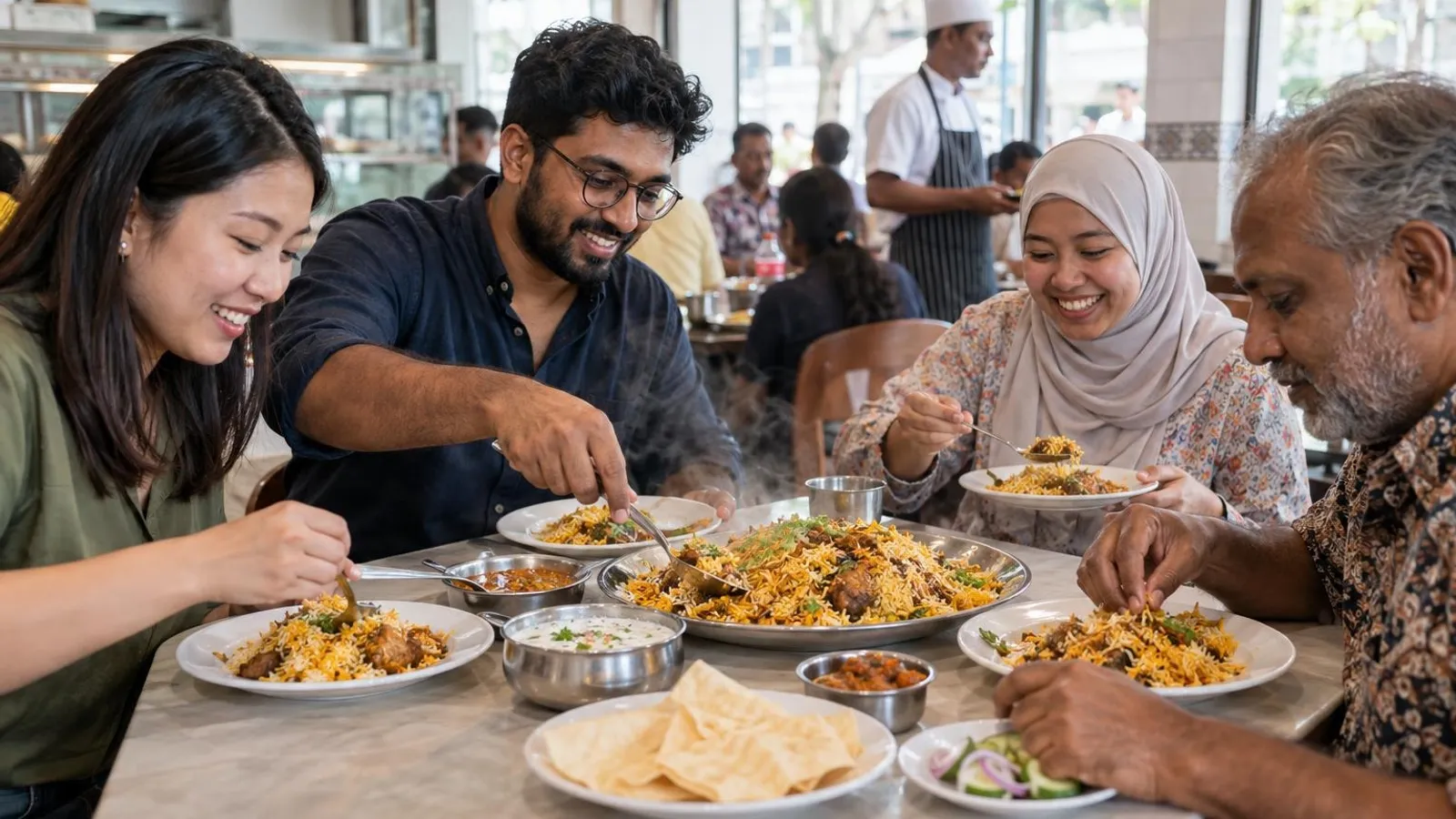
10 Best Biryani Places in Singapore (2026)
Find the best biryani in Singapore: ten dum, bamboo, claypot and heritage biryani places across Little India, Kampong Glam and the heartlands.
By Amir Wahab7 min read
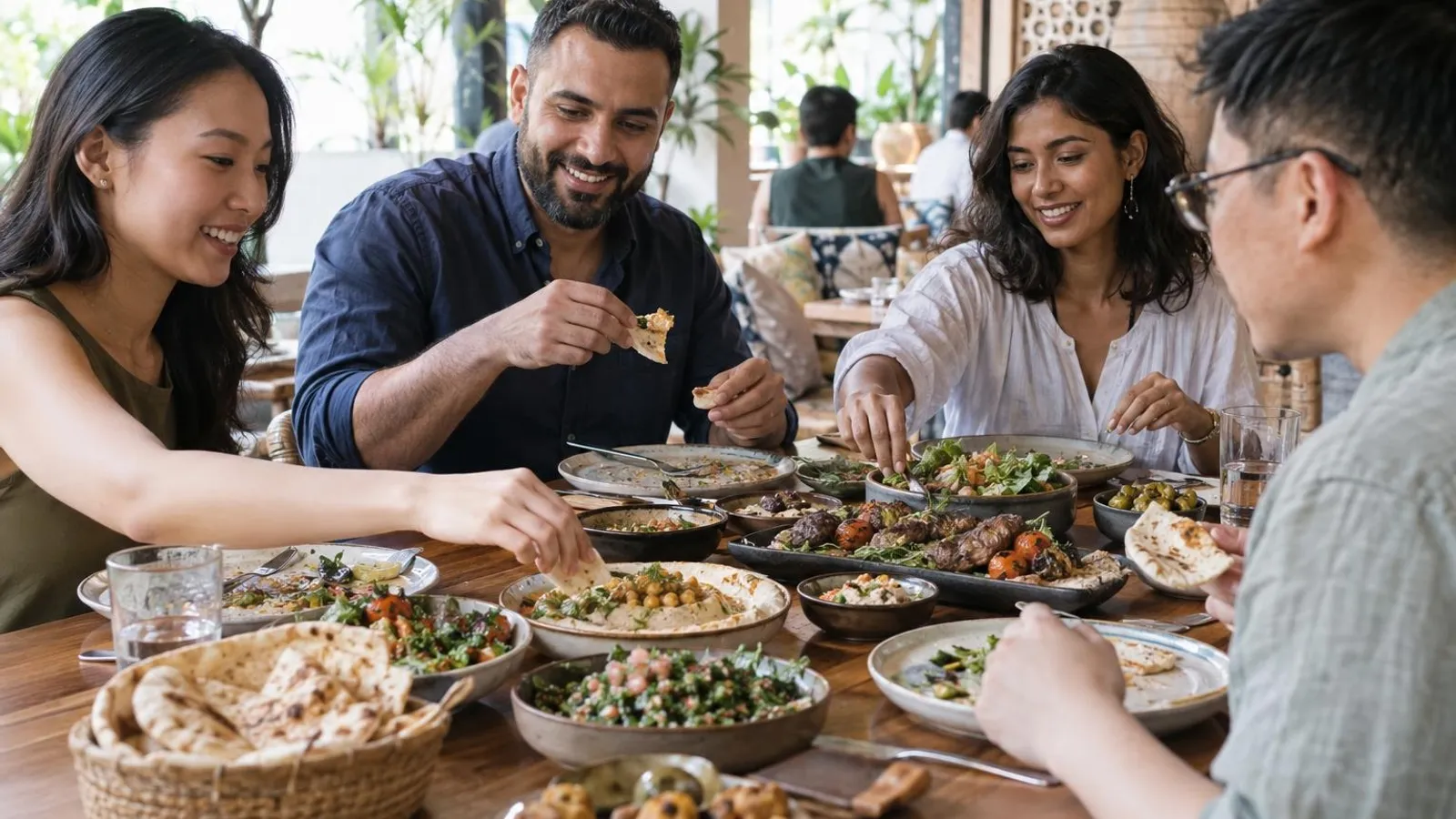
9 Best Lebanese Restaurants in Singapore (2026)
Looking for the best Lebanese restaurants in Singapore? Nine open picks for mezze, charcoal grills and sharing platters, from Kampong Glam to the river.
By Amir Wahab6 min read
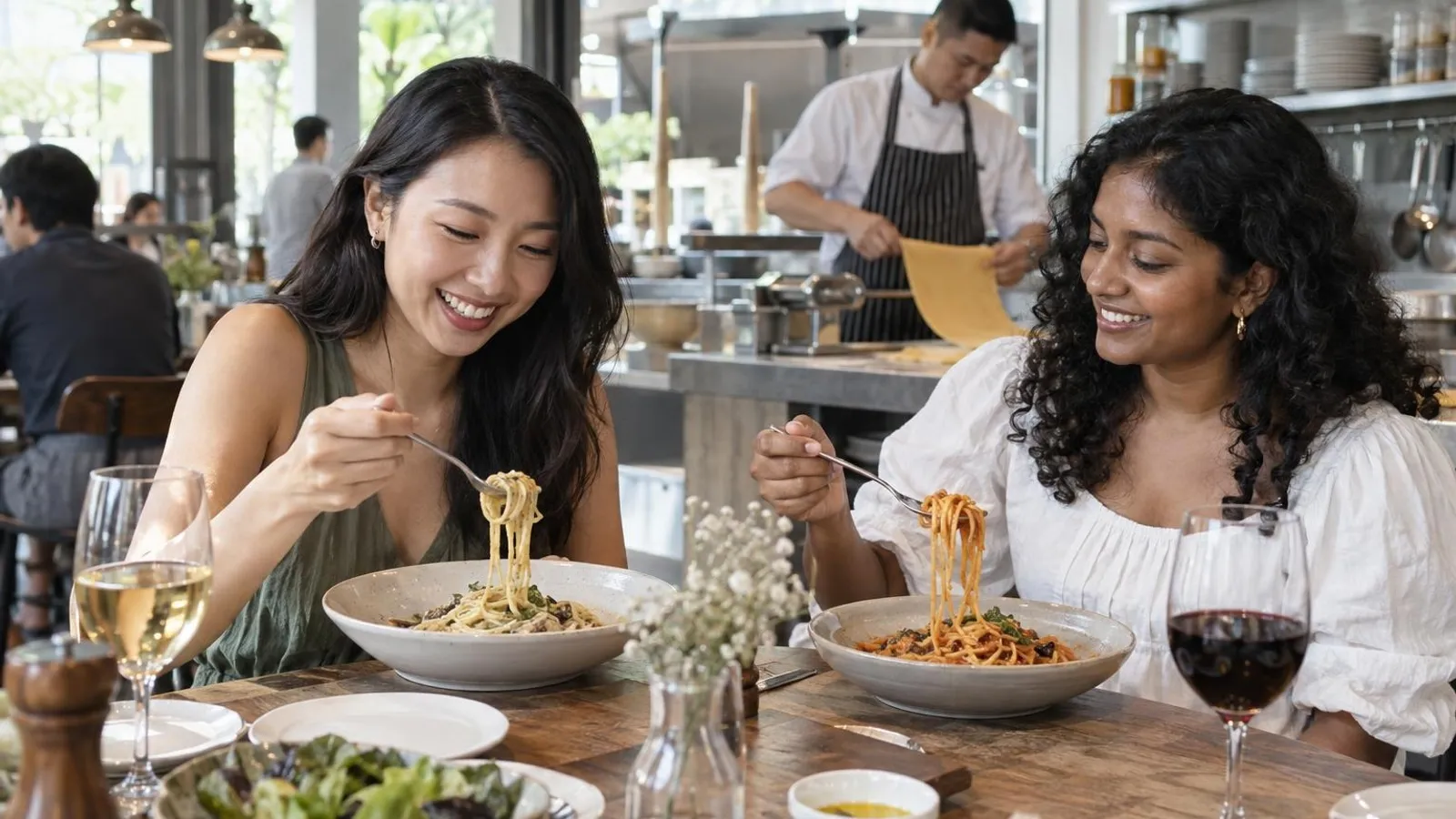
11 Best Pasta Restaurants in Singapore (2026)
Discover 11 of the best pasta restaurants in Singapore, from handmade pasta bars to casual mall favourites, with how to choose and what to check first.
By Amir Wahab8 min read
9 Best Meal Prep and Healthy Meal Delivery Services in Singapore (2026)
Compare 9 meal prep and healthy meal delivery services in Singapore, from weekly plans to macro-counted and halal options, with how to choose between them.
By Amir Wahab7 min read