9 Best Shabu Shabu in Singapore (2026)
9 real, currently-operating shabu-shabu and sukiyaki restaurants in Singapore, from buffet chains to omakase counters and a solo kopitiam stall.
- Edited by
- Amir Wahab
- Published
- Reading time
- 6 min read
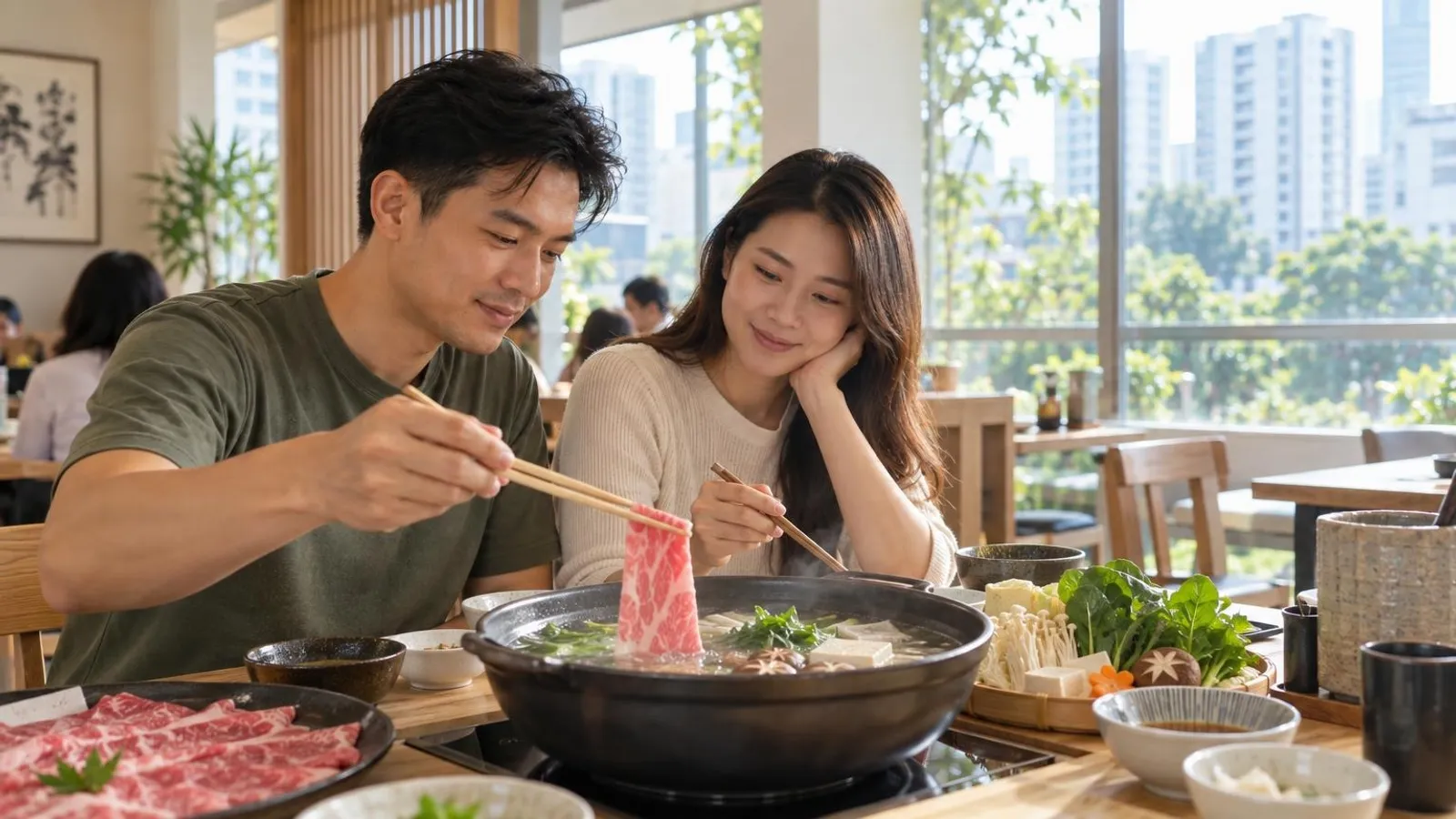 AI image by LocalRank
Shabu-shabu and sukiyaki are Japan's own hotpot traditions — thin-sliced meat swished through simmering broth at the table — kept deliberately distinct here from the mala and Chinese-style steamboats covered elsewhere on this site. Singapore's version of the category runs from flat-price, all-you-can-eat chains to a solo kopitiam stall and newly opened omakase counters that plate shabu-shabu and sukiyaki course by course. This guide gathers nine currently operating restaurants, each checked against its own website, social media or a live listing, spanning buffets, set menus and solo sets. Treat it as a shortlist to explore by format and budget, not a ranking, and confirm current hours and menus before visiting.
1. Suki-Ya
Suki-Ya bills itself as a 'House of Hot Pot' and is one of the most recognisable Japanese sukiyaki and shabu-shabu buffet chains in Singapore, with outlets in malls including Plaza Singapura, Bugis+, VivoCity and Kallang Wave Mall. The format is all-you-can-eat: diners pick a soup base such as sukiyaki or a tonyu miso broth, then work through unlimited paper-thin beef and pork, farmed chicken, and a self-serve vegetable bar within a fixed dining window. A pricier premium buffet tier adds wagyu beef, Iberico pork and Duroc pork collar for diners who want to trade up from the standard cuts. It suits groups who'd rather graze widely than order a fixed set.
Islandwide
Visit website ↗View on map ↗
2. Shabu Sai
Shabu Sai is a Japanese shabu-shabu and sukiyaki buffet chain with outlets in malls including Orchard Central, NEX, Westgate, Northpoint and Causeway Point. It runs a flat-price, all-you-can-eat format built around six soup bases — sukiyaki, tonkotsu, yuzu collagen, tomato, spicy and seaweed — so a table can mix a mild broth with a punchier one rather than committing to just one. Alongside sliced beef, pork and chicken, the spread runs to prawns, scallops, tofu, mushrooms, vegetables and noodles, plus a self-serve sauce station to build your own dip. It's one of the more widely spread shabu-shabu chains on the island, making it an easy, no-fuss option for a group with mixed tastes.
Islandwide
Visit website ↗View on map ↗
3. Shabu Jin
Shabu Jin is the upscale shabu-shabu specialist behind Les Amis Group's Japanese dining stable at Shaw Centre, and traces itself back to 2009. Rather than a buffet, it runs on set menus built around wagyu sourced from specific Japanese prefectures, with the restaurant describing prime cuts handpicked from boutique cattle houses across Japan, cooked communally in a signature broth with fresh seasonal vegetables. The dining room is set up for a slower, more composed meal than a mall buffet, with lunch and dinner served in defined sittings rather than all day. It suits a special-occasion shabu-shabu meal rather than an everyday one, and reservations are recommended.
Orchard (Shaw Centre)
Visit website ↗WhatsApp ↗View on map ↗
4. SukiyakiJIN
SukiyakiJIN is the newest addition to Les Amis Group's Japanese dining lineup, opening in May 2026 a few doors from its sister restaurant Shabu Jin at Shaw Centre. Where Shabu Jin is communal, SukiyakiJIN leans theatrical: its signature is a tall 'mountain' of A5 wagyu layered over napa cabbage, Japanese leek, shimeji and enoki mushrooms, silken tofu and konjac noodles, cooked down at the table. Diners choose between the original sukiyaki and what the restaurant calls Singapore's first spicy tomato sukiyaki, finished with a raw or onsen egg for dipping, before finishing with a choice of cheese risotto or inaniwa udon. Each pot needs a minimum of two diners, so it suits a shared meal rather than a solo one.
Orchard (Shaw Centre)
Visit website ↗EmailView on map ↗
5. Kagami
Kagami is a small omakase counter at Orchard Plaza built around a single idea: serving shabu-shabu and sukiyaki course by course rather than as a self-serve pot. Food blogs describe it as Singapore's first dedicated shabu-sukiyaki omakase, running to sixteen courses that move from a lighter shabu section — hamaguri clam and Hokkaido kurobuta pork belly among the early plates — into a richer sukiyaki stretch with snow crab legs and Japanese wagyu graded A3 to A5. Everything is cooked and plated piece by piece for each diner rather than left to the table. It's open Tuesday to Sunday evenings only, with reservations taken through WhatsApp rather than a booking site.
Orchard (Orchard Plaza)
View on map ↗
6. Kuroya Sukiyaki
Kuroya Sukiyaki is a small, high-end sukiyaki specialist on Mohamed Sultan Road that says it operates only two restaurants worldwide — this one and its original in Fukuoka, Japan. The menu runs to three sets: a classic sukiyaki, a tomato sukiyaki the restaurant describes as its chef's own addition for local palates, and a shabu-shabu option, all built on kuroge wagyu beef and, by the restaurant's own account, shoyu brought in from its owner's hometown in Fukuoka. Seating is tatami-style with shoes off, setting the tone for a slower, more traditional meal than a mall hotpot buffet. It's dinner-only, reservation-only, and priced well above the casual buffet chains on this list.
River Valley (Mohamed Sultan Road)
View on map ↗
7. Yuzutei
Yuzutei is a small Japanese restaurant in the Interlocal Centre at Pasir Panjang built around a single ingredient: yuzu, the Japanese citrus its name translates to 'Yuzu Pavilion.' Its shabu-shabu runs on a yuzu broth the restaurant says is simmered for six hours with fresh yuzu fruit and juice flown in from Tokushima Prefecture, paired with Japanese wagyu and pork rather than a long meat list. Beyond the hotpot, the same kitchen turns out yakiniku and donburi, so a table with mixed cravings isn't limited to one dish. It's a smaller, more low-key setting than the mall-based chains, and its citrus-forward broth is genuinely distinct from the tonkotsu and sukiyaki bases most other shabu-shabu spots default to.
Pasir Panjang
Visit website ↗View on map ↗
8. Tsukada Nojo
Tsukada Nojo is a Japanese hotpot chain whose calling card isn't classic sukiyaki but Bijin Nabe, a 'beauty hotpot' built on a golden collagen chicken stock the restaurant says is made by stewing chicken bones for more than eight hours. Soup base choices stretch to curry and spicy chilli versions of that collagen stock alongside more familiar options such as sukiyaki, so it still suits a table wanting the thin-sliced-meat-and-broth format without a traditional dashi base. It runs outlets across the island, including Plaza Singapura, and its Bijin Nabe stock proved popular enough that Don Don Donki began stocking a frozen retail version of it in 2024. Worth trying for a genuinely different broth rather than a classic sukiyaki night.
Islandwide
Visit website ↗View on map ↗
9. Shabu Days
Shabu Days is a solo-friendly shabu-shabu stall inside the revamped Kopitiam food hall at Hillion Mall in Bukit Panjang, built around what it calls 'Your Daily Shabu Treat.' Rather than a communal pot or a buffet, each set is a single-serve hotpot: pick a cut-to-order main such as chicken thigh, pork collar or beef brisket, or trade up to Australian or Japanese A5 wagyu, then choose a broth from its bonito-kombu dashi, a sukiyaki base finished with raw egg, or an herbal angelica option, with tomato or spicy versions available as a top-up. Sitting inside a food court rather than a full-service restaurant, it's an easy, no-booking option for a solo lunch rather than a group occasion.
Bukit Panjang (Hillion Mall)
View on map ↗
How to choose
- Decide between a buffet, a set menu and an omakase first. All-you-can-eat chains suit big appetites and mixed groups who want to graze widely, a fixed set menu suits a smaller table after specific cuts, and a course-by-course omakase suits someone who'd rather the kitchen manage the pot than do it themselves.
- Match the broth to the table. Classic dashi and sukiyaki's sweet-savoury soy base are safe defaults, but options now stretch to yuzu citrus, tonkotsu, collagen chicken and spicy tomato — useful when diners have different preferences, since several restaurants here let you split or choose more than one base.
- Treat any wagyu grade or origin as the restaurant's own claim rather than an independent rating. Labels like A4 or A5 and named regions such as Kagoshima or Fukuoka describe marbling and provenance, not a guarantee of how a dish will taste once it's swished through broth rather than grilled.
- Weigh format against effort. Cooking your own meat and vegetables at a shared pot is sociable but means someone has to manage timing; a solo set or a plated omakase removes that job entirely, at a different price point and with far less room to graze.
- Book ahead for smaller, chef-led rooms and newly opened concepts, which can fill up on weekend evenings, and check the current menu, soup bases and any halal or dietary status directly on the restaurant's own site or social media rather than an old review, since menus and hours do change.
. No changes recorded since.
Founder and Editor
Amir Wahab is the founder and editor of LocalRank, an independent Singapore rankings and local guides publication.
Read next
10 Best Biryani Places in Singapore (2026)
Find the best biryani in Singapore: ten dum, bamboo, claypot and heritage biryani places across Little India, Kampong Glam and the heartlands.
By Amir Wahab7 min read
7 Best Kids-Friendly Cafes in Singapore (2026)
Kids-friendly cafes in Singapore with play corners, playgrounds or bouncy castles, so parents can finish a coffee. 9 family-ready spots across the island.
By Amir Wahab5 min read
9 Best Lebanese Restaurants in Singapore (2026)
Looking for the best Lebanese restaurants in Singapore? Nine open picks for mezze, charcoal grills and sharing platters, from Kampong Glam to the river.
By Amir Wahab6 min read
11 Best Pasta Restaurants in Singapore (2026)
Discover 11 of the best pasta restaurants in Singapore, from handmade pasta bars to casual mall favourites, with how to choose and what to check first.
By Amir Wahab8 min read