11 Best Popiah in Singapore (2026)
Our guide to the best popiah in Singapore in 2026: handmade-skin hawkers, DIY party sets, halal stalls and heritage kitchens serving fresh spring rolls.
- Edited by
- Amir Wahab
- Published
- Reading time
- 6 min read
 AI image by LocalRank
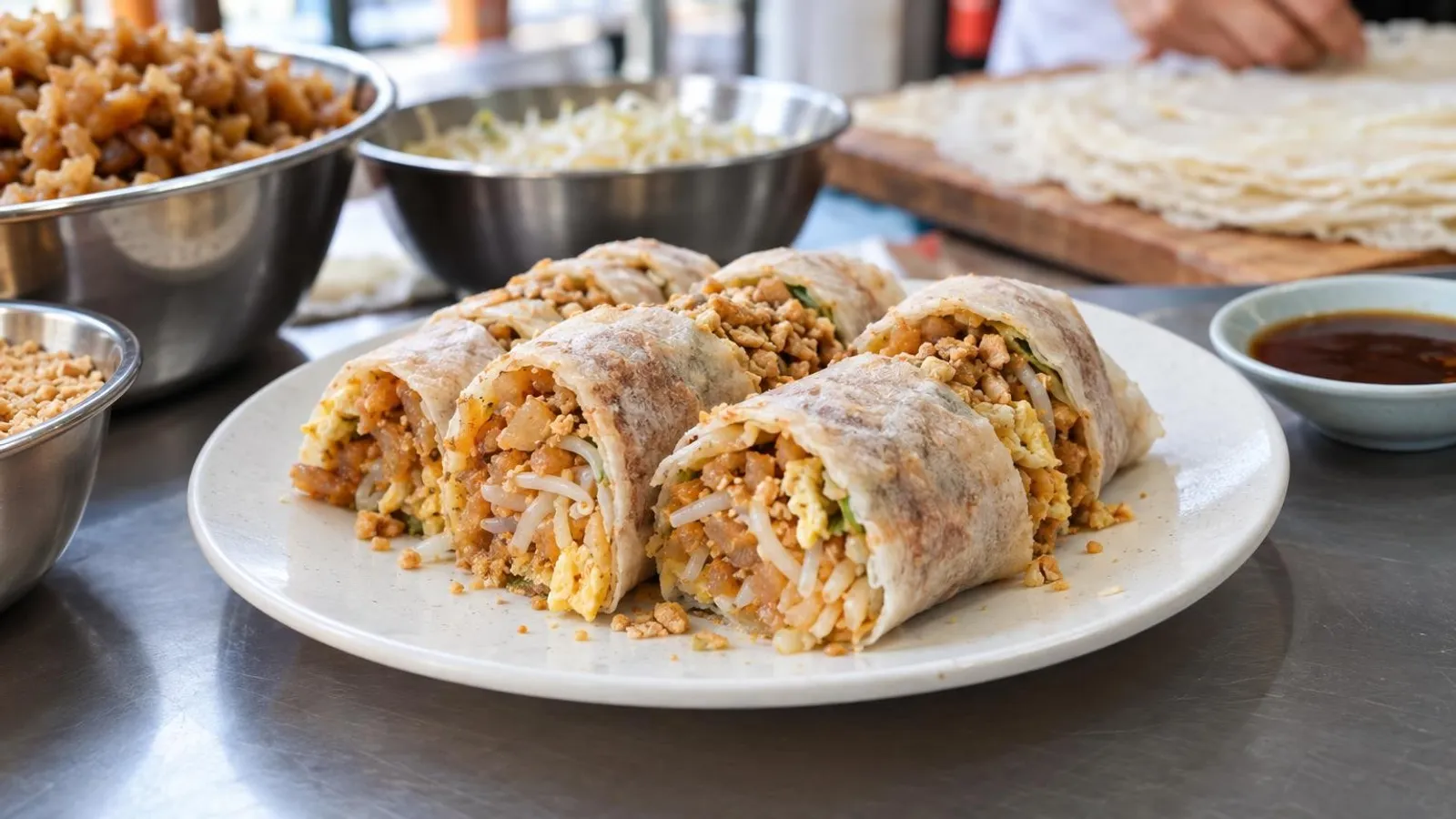
Popiah, the fresh (unfried) spring roll, is one of Singapore's most beloved hawker snacks: a soft wheat-flour skin wrapped around stewed turnip, beansprouts, egg, peanuts, crispy bits and a sweet-and-savoury sauce. This guide gathers established stalls, chains and heritage kitchens across the island, each checked to be operating in 2026, spanning handmade-skin specialists, DIY party sets, halal options and modern twists. Treat it as a shortlist to match to your craving and neighbourhood, not a strict ranking.
1. Kway Guan Huat Joo Chiat Original Popiah
A Joo Chiat institution dating to 1938, Kway Guan Huat is widely known for hand-making its popiah skin rather than buying it in, a craft the family traces to Fujian and still demonstrates on weekend mornings. The rolls wrap stewed turnip (bangkwang) with the trimmings in a supple, chewy skin, and the shop also turns out kueh pie tee cups. It sells ready-rolled popiah and DIY sets for home assembly, and the kitchen is halal-certified. Order at the Joo Chiat Road shopfront or for delivery.
Joo Chiat
Visit website ↗View on map ↗
2. Ann Chin Popiah
Ann Chin began in 1958 and is now run by the third generation, with its flagship at Chinatown Complex Food Centre and roughly a dozen outlets across the island. The stalls press their own popiah skin daily, then fill each roll with braised turnip, egg, beansprouts, crushed peanuts and a sweet sauce, with chilli to taste. Rolls are made to order, and the brand also sells fried spring rolls and DIY party sets, plus delivery. Its wide reach makes it one of the easiest handmade-skin popiah to find.
Chinatown
Visit website ↗View on map ↗
3. Qi Ji
Qi Ji is a halal-certified chain with outlets in malls and hubs across Singapore, from its Jalan Besar flagship to Funan, NEX and beyond, which makes it a dependable popiah stop for Muslim diners. Its rolls come in several versions, including a regular, a prawn and a premium option, wrapped around stewed turnip and the usual garnishes with a sweet sauce. Alongside popiah the menu runs to nasi lemak, laksa and other local plates, and orders can be placed for delivery through the major platforms.
4. Good Chance Popiah Eating House
Founded in 1977 and now in its third generation, Good Chance is a Silat Avenue coffee shop built around Hokkien-style DIY popiah: the kitchen brings the skins, stewed turnip, garnishes and sauces, and you roll your own at the table. That format suits families and larger groups who want to build each roll to taste. Beyond popiah it cooks a full zi char menu, from prawn-paste chicken to fried tang hoon, so a popiah spread can anchor a bigger meal. Reserving ahead is wise at peak times.
Bukit Merah
View on map ↗
5. Ping Kee Popiah
Tucked in Sembawang Hills Food Centre off Upper Thomson, Ping Kee is a pared-down stall run for more than three decades by an elderly couple who make just two things: popiah and kueh pie tee. The skin is soft with a slight chew and holds a generous, sauce-laden filling of turnip and crunchy vegetables without turning soggy. It is a breakfast-and-teatime kind of place, unfussy and made by hand, and the short menu means the pair concentrate on getting those two items right. Cash-friendly and no-frills.
Sembawang Hills
View on map ↗
6. My Cosy Corner
Hidden in Coronation Shopping Plaza since 1998, My Cosy Corner cooks Nyonya-leaning food and a made-to-order popiah that regulars queue for. Its signature touch is a scatter of crispy bits made from parboiled rice, which adds crunch against the soft skin and the moist stewed-turnip filling. The roll is on the loose, saucy side, and the same kitchen turns out laksa, mee siam and kueh pie tee. Note that popiah is a weekday-and-Saturday affair, as the stall does not roll it on Sundays.
Bukit Timah
Visit website ↗View on map ↗
7. Fortune Food
Fortune Food is a handmade popiah-skin specialist that works from a central kitchen rather than a dine-in stall, and it is a go-to for parties and Chinese New Year gatherings. Its DIY sets arrive with everything needed to roll at home: thin house-made skins, cooked turnip and carrot, sweet sauce, sambal, crispy bits, ground peanuts, egg, cucumber and coriander, plus kueh pie tee shells. The kitchen is halal-certified and offers delivery and pickup. The draw is the skin itself, made fresh and rolled very thin.
8. Rojak, Popiah & Cockle
This Maxwell Food Centre stall spreads its attention across three hawker classics, popiah among them, and rolls each to order. The filling leans on stewed turnip with cabbage, carrot, egg and ground peanuts, finished with a sweet sauce and chilli, wrapped fresh so the skin stays soft. Because the same hands also plate rojak and cockles, the popiah reads as part of an old-school hawker repertoire rather than a one-item specialty. It is an easy, affordable stop in the Tanjong Pagar area and can sell out, so go earlier.
Tanjong Pagar
View on map ↗
9. Mr Popiah
Mr Popiah is a modern take on the roll, known for creative, ready-to-eat versions alongside the classic. Its kitchen has experimented with formats like a nori-wrapped sushi popiah and other fusion fillings, aimed at diners who want the familiar turnip roll with a twist. The brand has grown beyond its hawker outlet into retail, with spring-roll style snacks stocked at supermarkets and convenience stores, so its popiah is unusually easy to grab on the go. It is the least traditional entry here, and deliberately so.
Ang Mo Kio
Visit website ↗EmailView on map ↗
10. Miao Sin Popiah
At Balestier Market, Miao Sin has been rolling popiah since 1980, and its style is deliberately drier than most. The thinner, less saucy skin keeps its structure while carrying juicy stewed turnip, crispy fish bits and a distinctive scatter of dried shrimp floss that lends a savoury, faintly smoky note you do not get elsewhere. The veteran hawker moved location a few times over the years before settling here. Because the roll is on the dry side, it travels well and is a solid pick for takeaway.
Balestier
View on map ↗
11. Spring Court
Spring Court, a Cantonese restaurant that traces its roots to 1929, counts popiah among its signature dishes despite the white-tablecloth setting. A dedicated popiah counter sits at the entrance, so you can buy rolls to take away or have them assembled DIY-style at the table as part of a sit-down meal. The filling follows the classic template of stewed vegetables and garnishes in a soft skin, served with the polish of an old-school Chinese restaurant. It is the entry to choose when you want popiah as part of a proper dinner.
Chinatown
Visit website ↗EmailView on map ↗
How to choose
- Check whether the skin is handmade. A few stalls still press their own popiah skin daily, which tends to be thinner and chewier than mass-produced wrappers; if that texture matters to you, look for places that advertise hand-made or hand-rubbed skins.
- Decide how wet you like the filling. Some kitchens serve a loose, saucy roll built around juicy stewed turnip, while others (notably the drier Balestier style) keep it firmer so it holds together and travels better for takeaway.
- Choose ready-rolled or DIY. Many stalls will roll it for you on the spot, but several sell DIY and party sets where the skins, cooked filling, sauces and garnishes come separately so you can assemble at home or at the table, which is ideal for gatherings.
- Confirm halal or dietary needs directly. Only some brands are halal-certified, so verify certification rather than assuming; if you need a meat-free or prawn-free roll, ask about the specific filling before ordering.
- Match the setting to the occasion. Options here run from no-frills hawker stalls and heartland coffee shops to a delivery-only party specialist and a sit-down heritage restaurant, so pick by whether you want a quick snack, a home spread or a proper meal.
- Plan around location and hours. Some well-known stalls keep short hours, close on set days or sell out early, and a couple are delivery-based with minimum orders, so check opening days and whether pickup or delivery suits you before heading down.
. No changes recorded since.
Founder and Editor
Amir Wahab is the founder and editor of LocalRank, an independent Singapore rankings and local guides publication.
Read next
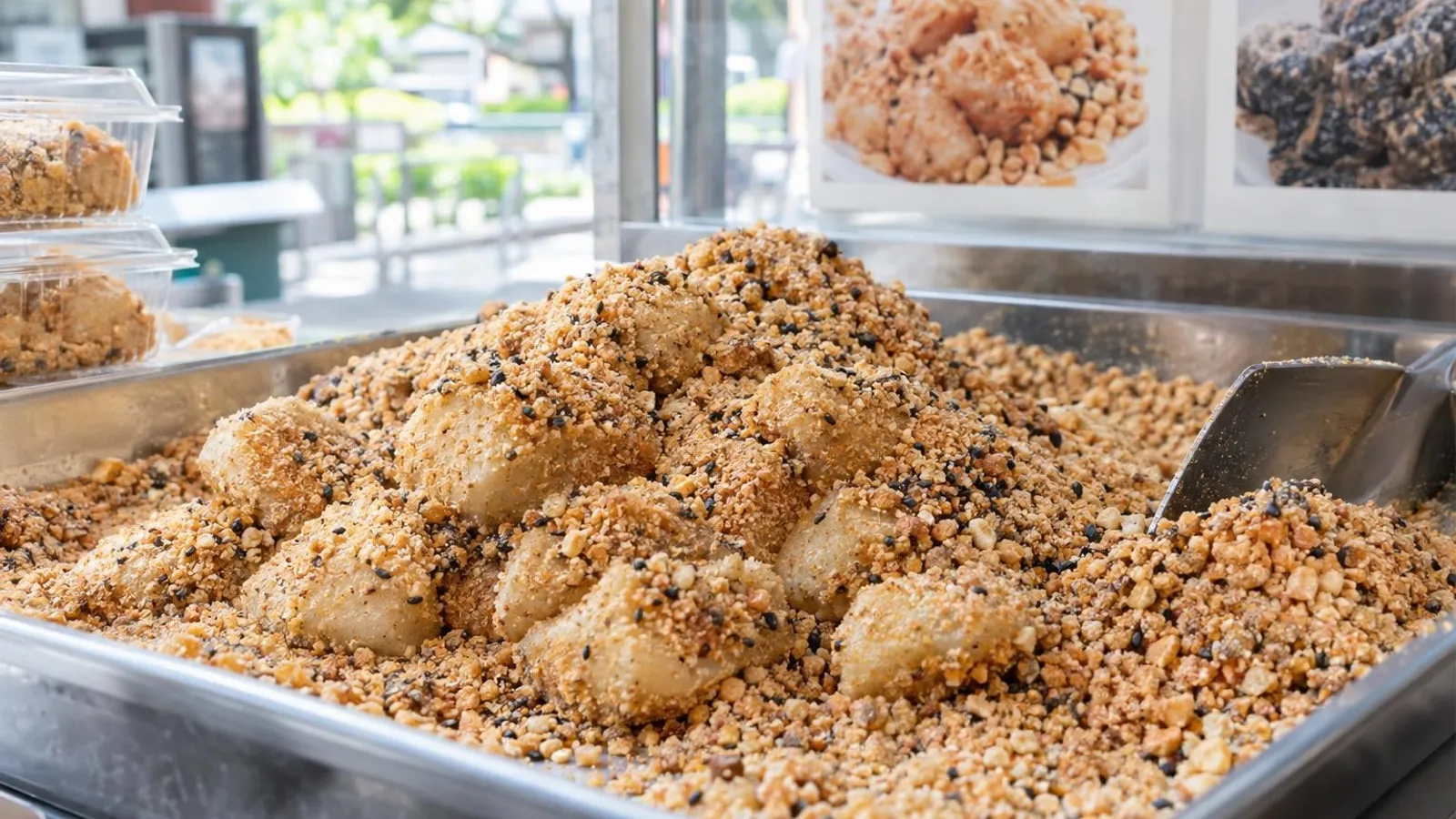
5 Best Muah Chee in Singapore (2026)
Where to find real muah chee in Singapore, from Chinatown Complex and Old Airport Road stalls to a Balestier coffeeshop and a modern Sin Ming kueh shop.
By Amir Wahab4 min read
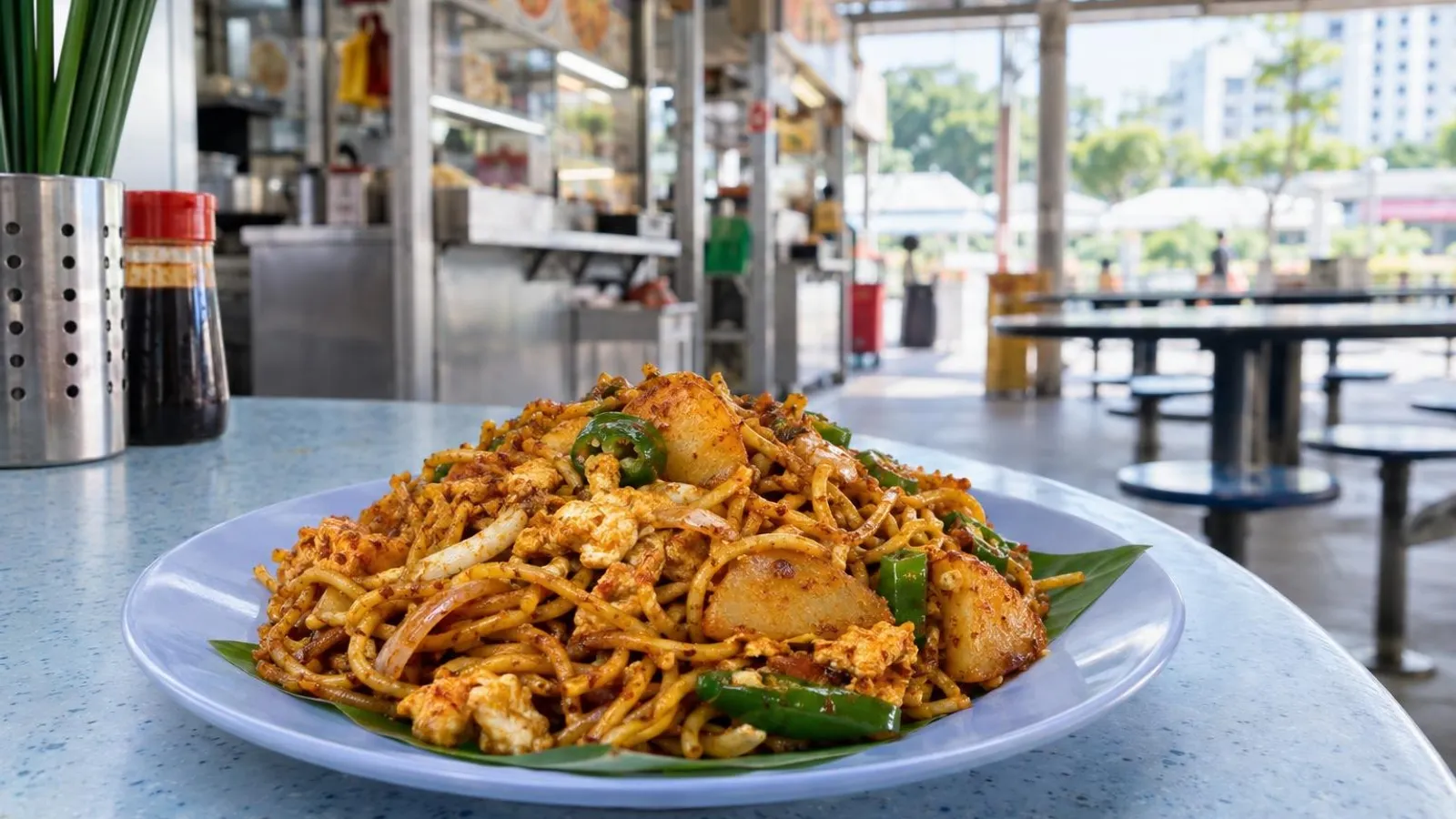
8 Best Mee Goreng in Singapore (2026)
Eight hawker stalls for mee goreng mamak in Singapore - Indian-Muslim fried noodles with mutton, egg and potato, from Marine Parade to Little India.
By Amir Wahab6 min read
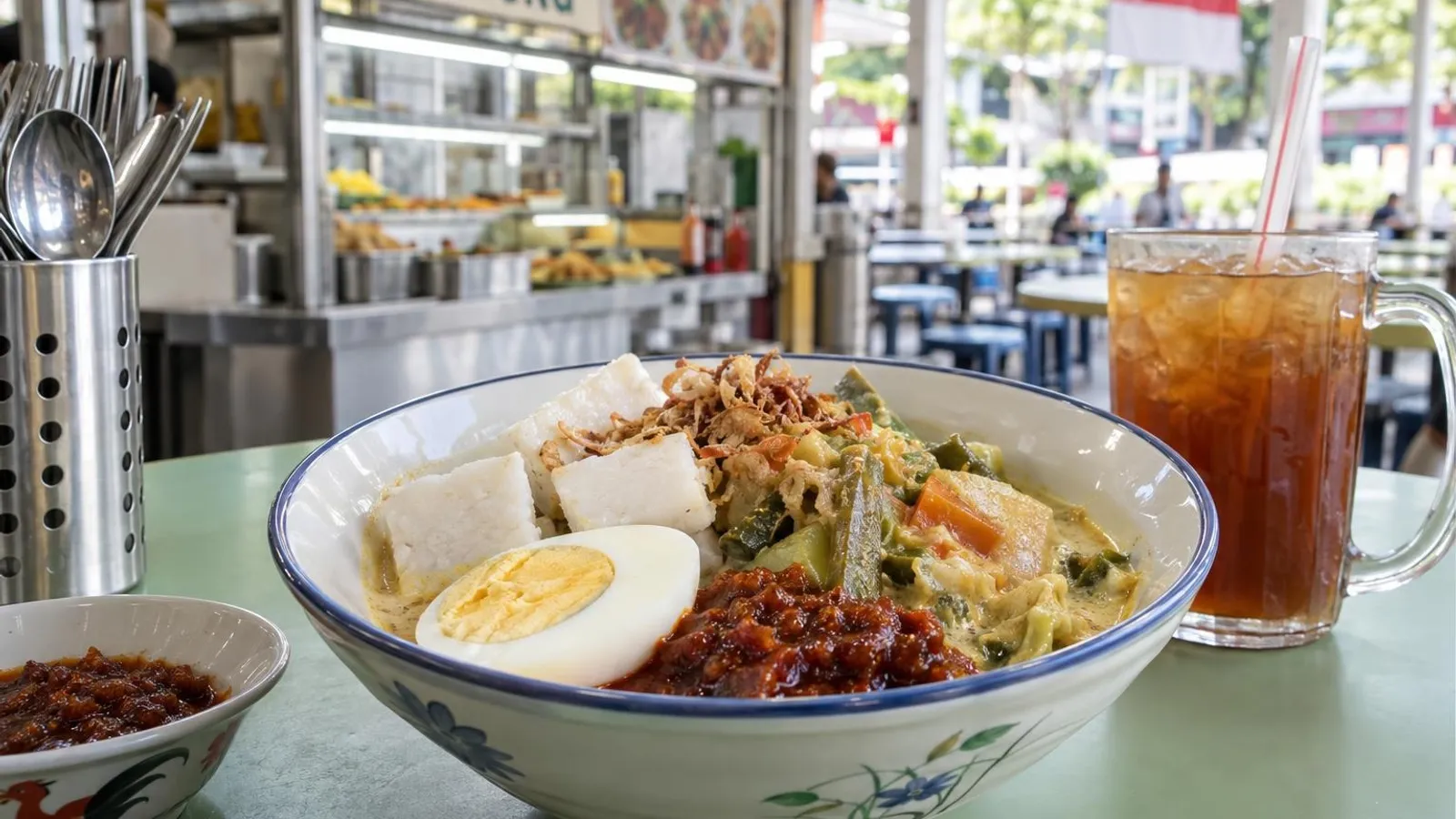
7 Best Lontong in Singapore (2026)
Seven Singapore stalls for real lontong - rice cakes in coconut sayur lodeh with egg, tofu and serunding - from Queenstown and Tampines to Kampong Glam.
By Amir Wahab5 min read
8 Best Soto Ayam and Mee Soto in Singapore (2026)
Singapore's best soto ayam and mee soto: turmeric chicken broth stalls across hawker centres, from Bedok's Inspirasi to Michelin-listed Pondok Makan.
By Amir Wahab6 min read