8 Best Mee Goreng in Singapore (2026)
Eight hawker stalls for mee goreng mamak in Singapore - Indian-Muslim fried noodles with mutton, egg and potato, from Marine Parade to Little India.
- Edited by
- Amir Wahab
- Published
- Reading time
- 6 min read
 AI image by LocalRank
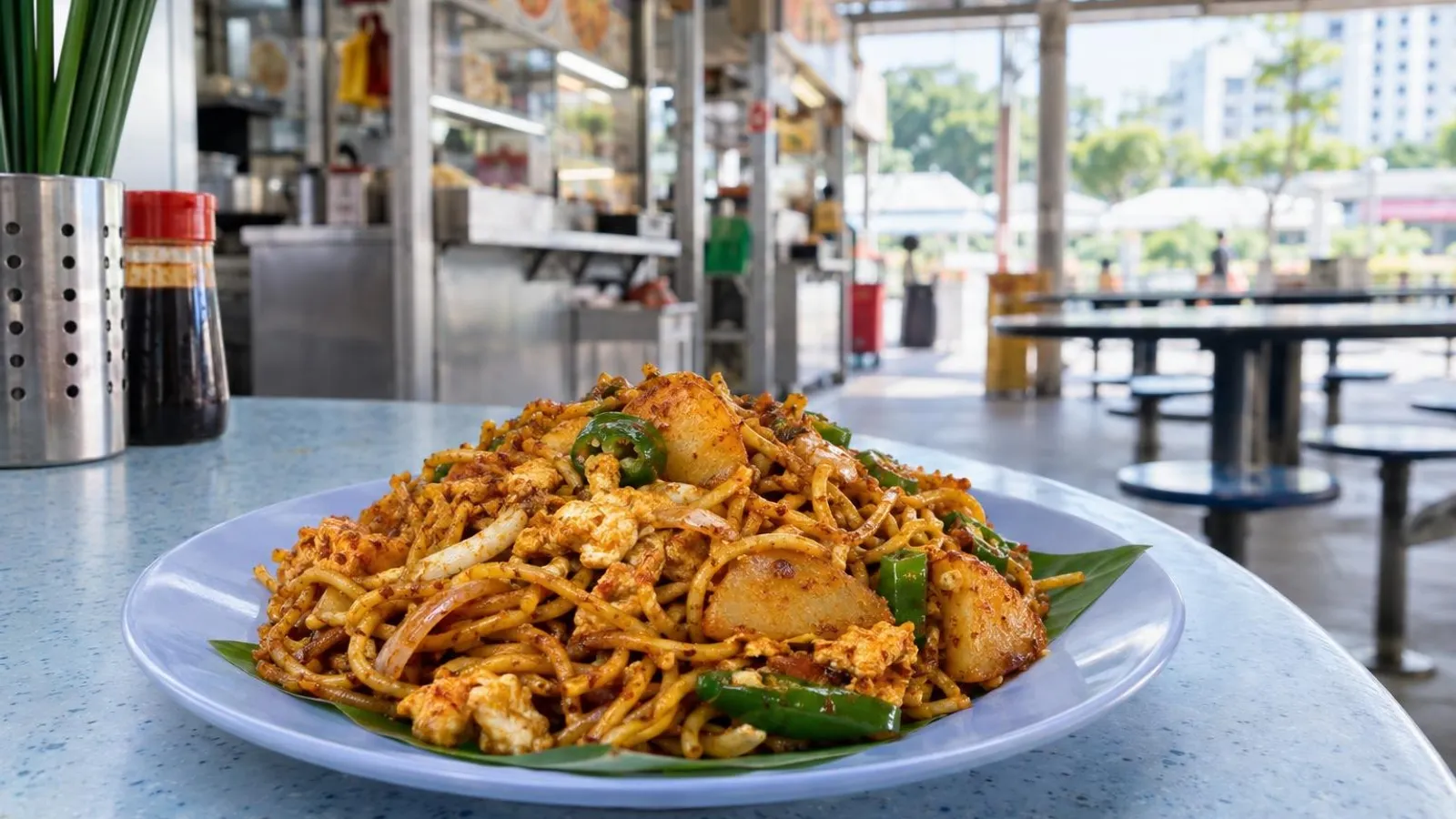
Mee goreng mamak is one of Singapore's essential hawker plates: yellow noodles wok-fried in a chilli- and tomato-based sauce until they turn a deep red-orange, tossed with egg, diced potato, bean sprouts and cabbage, with mutton or chicken as the classic protein add-on. It's the Indian-Muslim, or mamak, take on fried noodles, distinct from Chinese hokkien mee or Malay mee siam, and every stall guards its own balance of sweet, sour, spicy and smoky wok hei. This guide rounds up eight hawker stalls across Singapore known specifically for their mee goreng, each checked for current, independently documented operation. Treat it as a shortlist to explore rather than a strict ranking.
1. Hass Bawa
Hass Bawa has been frying mee goreng at Marine Parade Food Centre since 1978, when the late Abdul Latiff Mohammed Kassim started the stall, and food write-ups regularly point to it as one of the benchmark versions of the dish in Singapore. The plate follows the classic mamak build: yellow noodles tossed in a bright red-orange chilli sauce with diced potato, cabbage and bean sprouts, finished with a wok-fried egg, mutton cubes and a side of cucumber in ketchup. Reviewers describe the sauce as a closely guarded mix cooked fresh each day, for a smoky depth alongside the sweet-spicy heat. It sells out some afternoons, and the stall keeps one rest day a week, so go early.
Marine Parade
View on map ↗
2. N.M. Abdul Rahim
At Ayer Rajah Food Centre in the West Coast estate, N.M. Abdul Rahim has been stir-frying mee goreng since around 1990, and food coverage consistently singles it out as one of the island's best-known scarlet-red renditions. The noodles are cooked to order in a sambal-based sauce that turns them a deep crimson, and a review from late 2025 praised the heat as a genuine test for spice lovers. Beef slices are the stall's usual protein, tossed through with egg, potato and vegetables in the classic style, and the same wok also turns out a kway teow goreng version for anyone after a change from yellow noodles. It draws a steady queue at peak periods, reflecting a long-standing reputation in this corner of Singapore.
Ayer Rajah Food Centre (West Coast)
View on map ↗
3. Ajimer Sharif
Ajimer Sharif has run a mee goreng stall on the hawker floor of Tekka Market in Little India for years, and it's one of the Indian-Muslim mee goreng plates that food critic K.F. Seetoh has written about approvingly, noting the frying in particular when done by the stall's own Arun. The dish follows the traditional mamak build: yellow noodles in a chilli-red sauce with mutton, bean sprouts, green peas, diced potato and egg, and the stall also offers a seafood version for diners who want prawns and squid instead. Beyond mee goreng, the menu runs to nasi goreng, mee kuah, roti john, mutton soup and tulang, a fuller Indian-Muslim spread than most single-dish specialists.
Tekka Market (Little India)
View on map ↗
4. Thawfeek Cuisine
Thawfeek Cuisine, at Newton Food Centre, is repeatedly named among the more consistently good mee goreng stalls in Singapore, built around what write-ups describe as a well-guarded homemade sauce. The plate follows the familiar mamak template of yellow noodles, egg, potato and vegetables tossed in a red-tinted chilli gravy, with the sauce doing most of the work in setting it apart from others. It's popular enough at meal times that finding a free table can be the harder part of the visit. The same kitchen is also known for a claypot mee kuah, a soupier dish, for diners who want something other than the dry-fried classic. Being inside one of Singapore's better-known hawker centres, it draws both neighbourhood regulars and visitors passing through Newton.
Newton
View on map ↗
5. Ibrahim Mee Stall
Ibrahim Mee Stall is a family-run fixture of Adam Road Food Centre, now in its third generation under Syed Ibrahim, with write-ups describing a long, continuous run there. Its mee goreng is built on springy yellow noodles with bean sprouts, cabbage and red onion, finished with a lightly fried egg and diced mutton stirred through as the classic add-on. The stall keeps its wok work old-school, letting that chilli-based sauce carry the dish. Beyond mee goreng, the same counter serves maggi goreng, roti john and tulang merah, so many regulars order more than one dish. Adam Road Food Centre is itself a long-standing draw for Malay and Indian-Muslim hawker food, and this stall is one of its established names.
Adam Road
View on map ↗
6. Hajjah Jamillah Rajmohamed Muslim Food
At Haig Road Market & Food Centre, Hajjah Jamillah Rajmohamed Muslim Food is a family stall that says it has passed through three generations of the same family, cooking mee goreng and nasi goreng from the same wok station for decades. Food writers describe the draw as much about technique as ingredients: a loud, vigorous style of wok work that produces a caramelised, smoky rempah base, tossed through yellow noodles with egg, potato cubes, tofu, green tomato, canned peas and a minced mutton option. Haig Road is already known as one of the island's stronger Malay and Indian-Muslim hawker enclaves, and this stall is one of several specialists sharing that food centre, alongside others known for separate dishes such as mee rebus and roti john.
Haig Road
View on map ↗
7. Suka Ramai Mama Power
Suka Ramai Mama Power has been cooking mee goreng and other Malay hawker dishes at Bedok Corner Food Centre since 2015, and it's built a following for a generous, wok hei-forward plate. The mee goreng arrives as yellow noodles in a red chilli sauce with bean sprouts, cabbage and egg, and reviewers frequently call out the mutton version specifically for its flavour and portion size. The Muslim-owned stall also cooks the same base as nasi goreng, kway teow or a maggi-noodle set for anyone who prefers a different noodle, alongside its own roti john. It keeps a presence on delivery platforms as well as its own social media, useful for checking current hours before a visit.
Bedok
View on map ↗
8. Rizqia Muslim Food
Rizqia Muslim Food is a Muslim-owned stall at Buangkok Hawker Centre, having moved there in January 2024 after its owner reportedly spent around 15 years cooking at Geylang Serai Market beforehand. Its mee goreng combo comes as yellow noodles tossed with bean sprouts, cabbage, beef slices and egg in a red chilli gravy, topped with a fried egg and served with a side of fries, and the same base can be ordered as nasi goreng, kway teow or a maggi-noodle set instead. The stall also runs a small Malay-style Western line, including a mutton or chicken chop and a kambing soup. Being one of the newer names for the dish, it's a good pick for anyone in the Buangkok or Sengkang area.
Buangkok
View on map ↗
How to choose
- Judge the sauce first. A good mee goreng mamak balances sweet, sour and spicy in a tomato- and chilli-based gravy that coats the noodles without drowning them, so taste before reaching for extra chilli, and expect the exact shade of red-orange to vary noticeably from stall to stall.
- Pick mutton, chicken or beef. Mutton is the traditional protein at most old-school stalls, giving a deeper, gamier flavour, while chicken and beef versions are milder; a few stalls also offer a seafood option with prawn or squid, so ask what's on hand that day.
- Check the noodles' texture. The yellow noodles should stay springy rather than turning soft and clumped together, and a properly wok-fried plate carries a smoky wok hei aroma with slightly charred edges that a rushed, steamed-through version lacks entirely, so ask if it is fried fresh to order rather than reheated from a pre-cooked batch.
- Go outside peak hours where you can. Several of the better-known stalls sell out or draw long queues by early afternoon, and some keep a weekly rest day, so it is worth checking current hours or social media before making a special trip across the island.
- Confirm halal status yourself. Most mee goreng mamak stalls are Malay or Indian-Muslim run and many are halal-certified, but certification is granted per stall and can lapse, so check the current certificate on display or ask at the counter rather than assume it from the stall's name alone.
. No changes recorded since.
Founder and Editor
Amir Wahab is the founder and editor of LocalRank, an independent Singapore rankings and local guides publication.
Read next
5 Best Muah Chee in Singapore (2026)
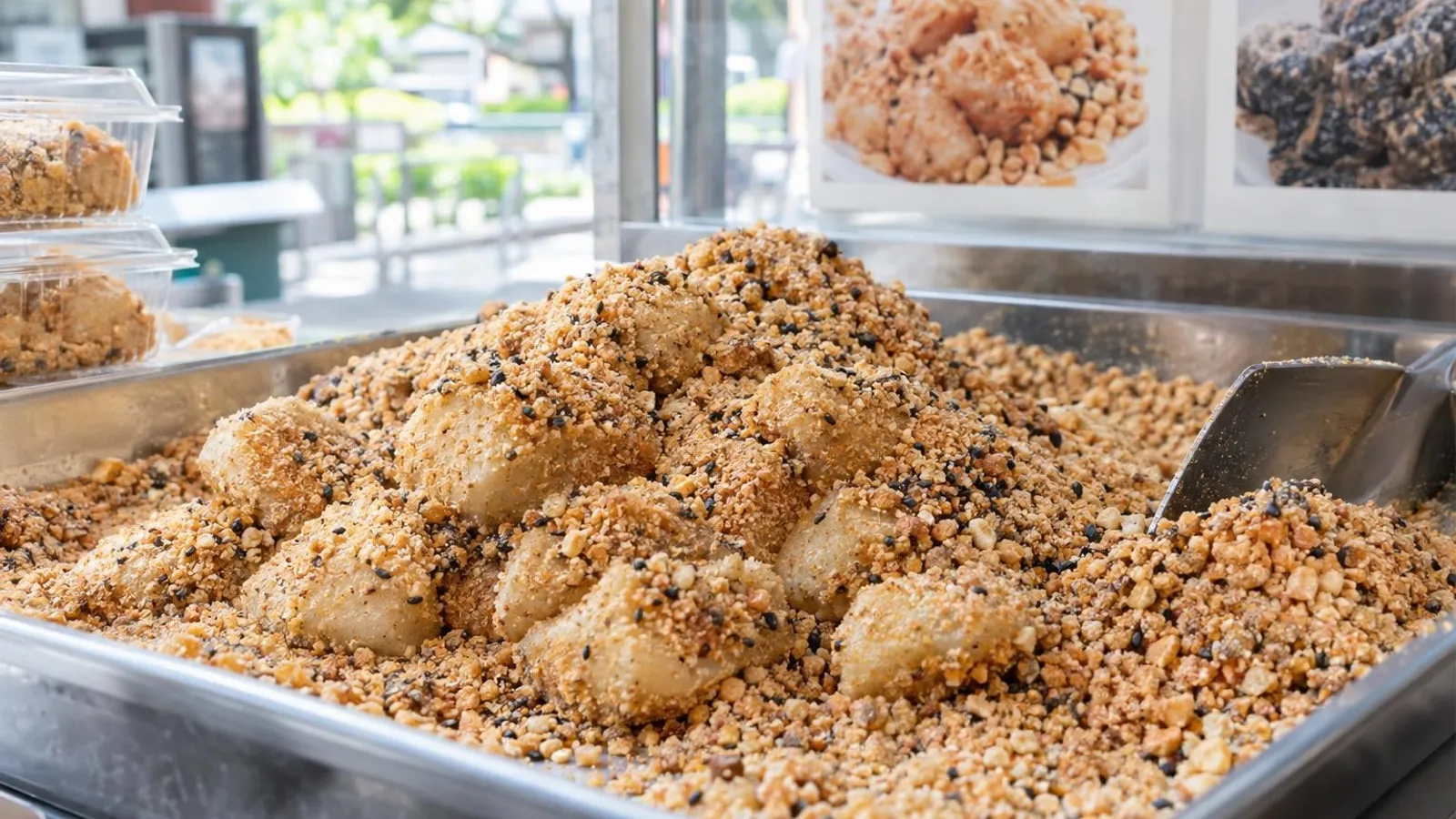
Where to find real muah chee in Singapore, from Chinatown Complex and Old Airport Road stalls to a Balestier coffeeshop and a modern Sin Ming kueh shop.
By Amir Wahab4 min read
7 Best Lontong in Singapore (2026)
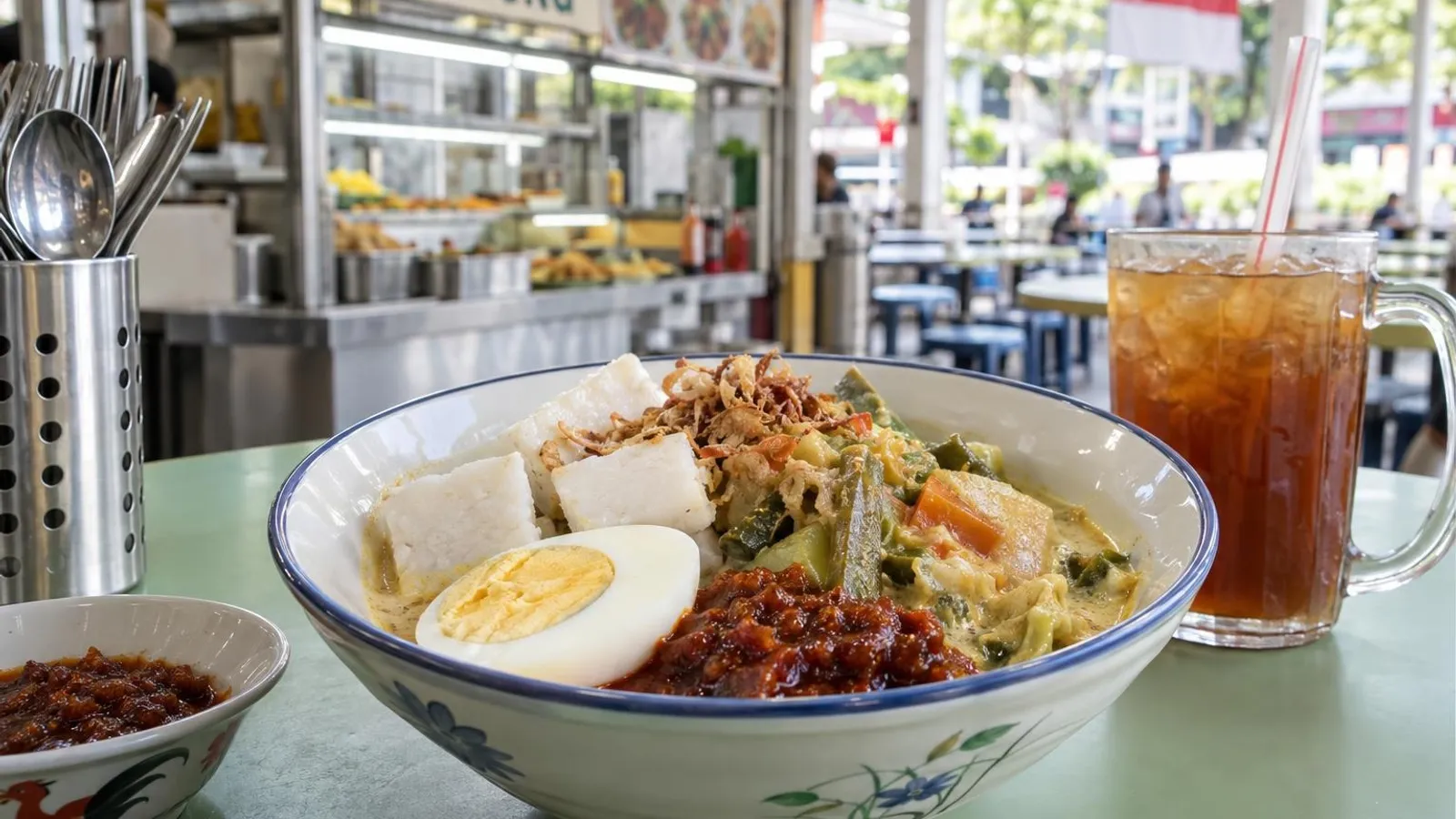
Seven Singapore stalls for real lontong - rice cakes in coconut sayur lodeh with egg, tofu and serunding - from Queenstown and Tampines to Kampong Glam.
By Amir Wahab5 min read
8 Best Soto Ayam and Mee Soto in Singapore (2026)
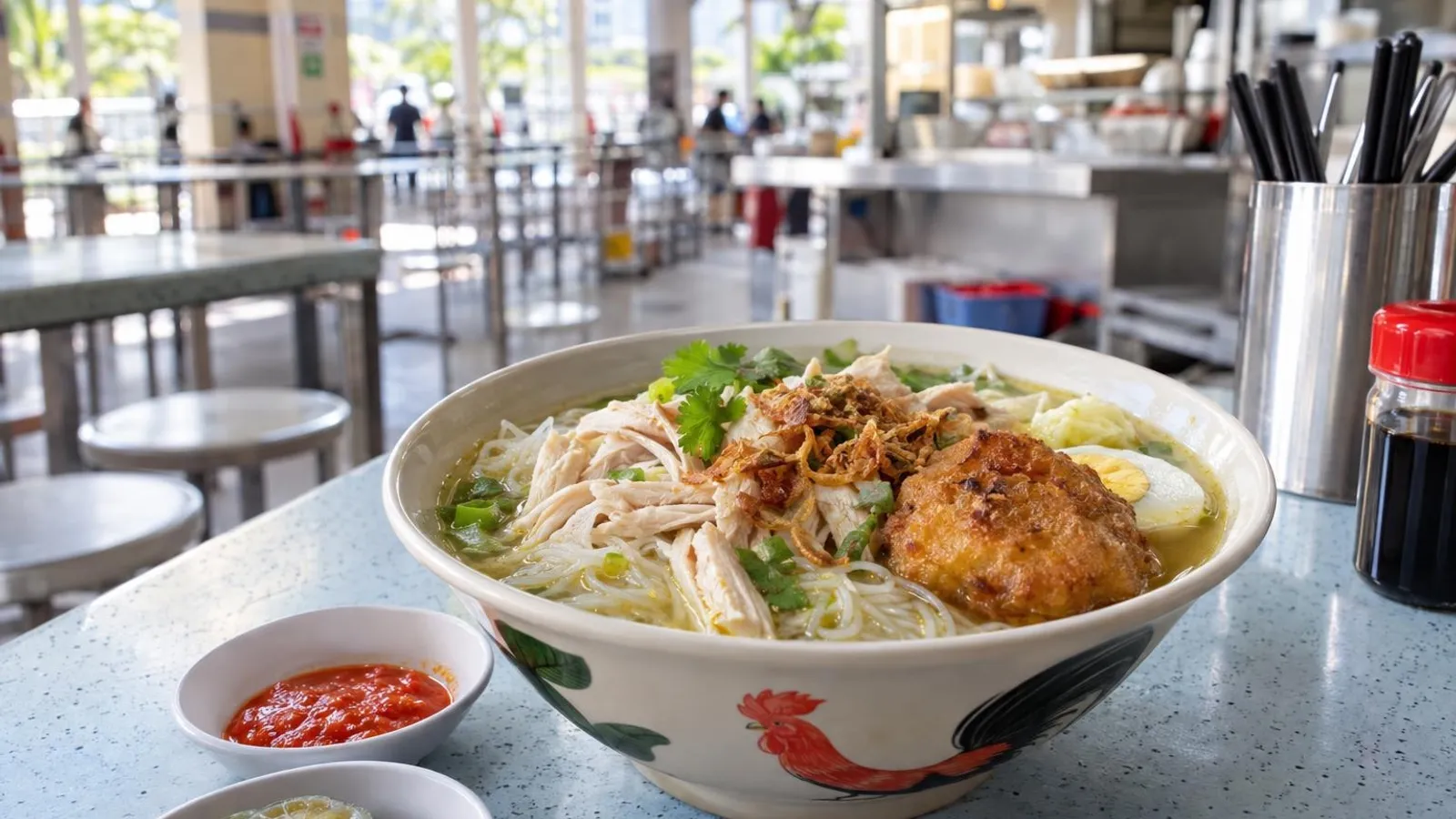
Singapore's best soto ayam and mee soto: turmeric chicken broth stalls across hawker centres, from Bedok's Inspirasi to Michelin-listed Pondok Makan.
By Amir Wahab6 min read
8 Best Pig's Organ Soup in Singapore (2026)
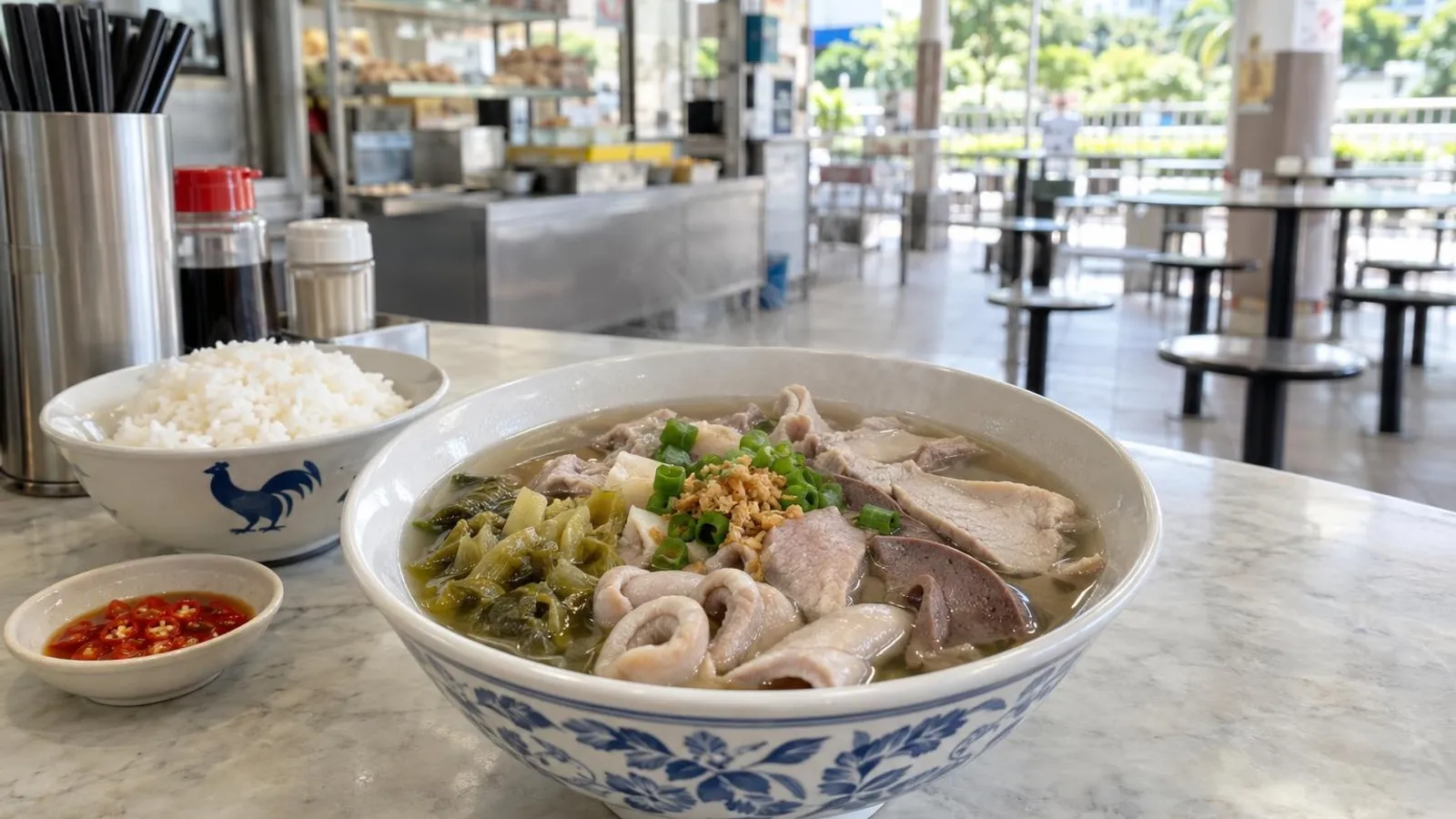
Eight Singapore hawker stalls serving pig's organ soup (zhu za tang), a peppery pork-offal broth distinct from kway chap, each checked as currently open.
By Amir Wahab6 min read