10 Best Mala Xiang Guo in Singapore
From dry mala xiang guo hawker stalls to mala tang chains and Sichuan mala hotpot, here are 10 of the best mala in Singapore for a numbing, spicy fix.
- Edited by
- Amir Wahab
- Published
- Reading time
- 5 min read
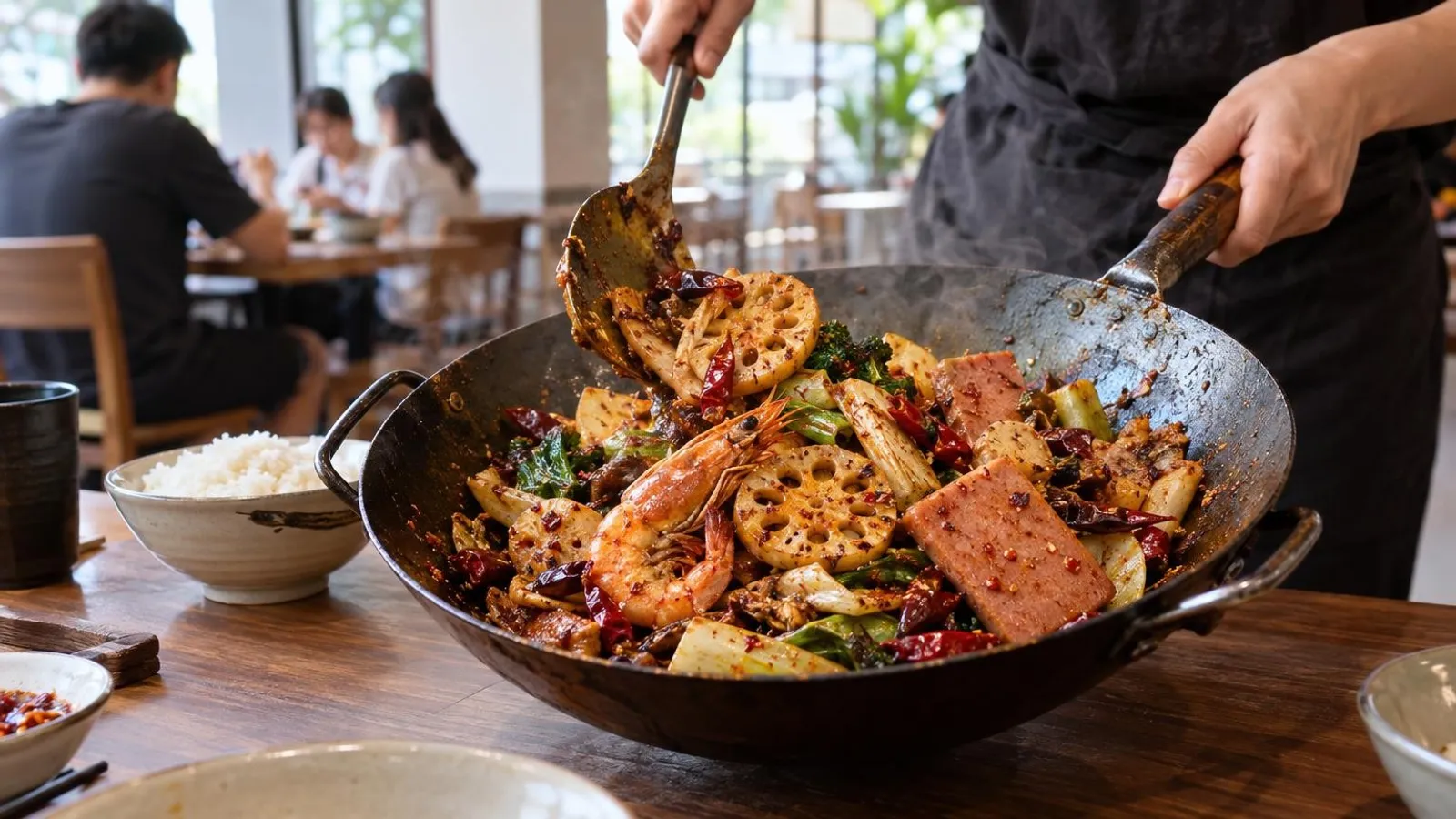 AI image by LocalRank
Mala in Singapore has gone from niche Sichuan import to everyday craving, and it turns up in three main shapes: dry-fried mala xiang guo, poach-your-own mala tang, and bubbling mala hotpot. This guide gathers ten real, currently-operating spots, from queue-worthy hawker stalls to islandwide chains and Chengdu-style restaurants, each checked against its own site or multiple independent listings. Treat it as a shortlist to match to your spice tolerance, not a strict ranking.
1. A Hot Hideout
A Hot Hideout is a homegrown chain that bills itself as 'the Singaporean kind of mala' and, by its own account, grew from an NTU dorm-room stall into outlets across campuses and malls islandwide. Rather than one format it offers both a signature Mala Collagen Soup and a Mala Stir Fry, and its site describes a base in which the spice is ground down into the oil so the flavour comes through without the grit. You pick your own ingredients and spice level, with milder and non-spicy options for those who cannot take the heat.
2. Ri Ri Hong Mala Xiang Guo
Ri Ri Hong is one of the best-known mala xiang guo stalls in the city and is often credited with helping popularise the dish here, operating out of People's Park Food Centre in Chinatown. It serves the dry, wok-tossed style: you choose raw ingredients that are stir-fried with numbing-spicy mala seasoning to your chosen heat, from non-spicy up to the fieriest level. Unusually for a mala stall, it is frequently noted for charging by fixed portion rather than by the weight of what you pick.
Chinatown
View on map ↗
3. Yang Guo Fu Mala Tang
Yang Guo Fu, which the brand bills as one of the world's largest mala tang chains, has spread to numerous shopping-mall outlets across Singapore. Its focus is mala tang rather than the dry xiang guo: you fill a bowl or basket with self-selected ingredients from a chiller and they are poached in a soup base, such as its signature mala broth, then served in the soup or, in a drier tossed version, without it. It is a quick, customisable, individual-portion option rather than a communal hotpot.
4. Zhang Liang Mala Tang
Zhang Liang is another large China-founded mala tang chain with outlets in malls around Singapore, where it is operated locally by the Paradise Group. Diners self-select meats, vegetables, tofu, noodles and other ingredients from a fridge, have them weighed, then cooked in a spiced broth and served as a soupy bowl at the heat level requested. Like other mala tang spots it is built for solo diners and small groups who want to design their own bowl.
5. Shu Da Xia Hotpot
Shu Da Xia is a Chengdu-born Sichuan hotpot chain that arrived in Singapore in 2025 at Tampines 1, bringing the sit-down, cook-at-the-table style of mala. The brand bills itself as one of China's top hotpot names and centres the meal on a long-simmered signature spicy broth, offered alongside gentler options such as chicken and herbal soups so a split pot can balance the heat. Diners order plates of fresh meat, seafood, vegetables and noodles a la carte to cook themselves.
Tampines
View on map ↗
6. Ding Ding Hong Mala Xiang Guo
Ding Ding Hong is a mala xiang guo specialist tucked inside Maxwell Food Centre in Tanjong Pagar, easy to spot by its bright red stall front. It serves the dry, stir-fried style, where you assemble a plate of raw ingredients and have them wok-fried with mala seasoning. The stall is known for displaying a spice-level guide, including a non-spicy choice, so first-timers can dial in how much heat and numbing they want.
Tanjong Pagar
View on map ↗
7. Wan Xing Mala Hotpot
Wan Xing is a mala spot in the Kovan area on Upper Serangoon Road, popular as a late-night supper stop as it stays open well into the small hours. Despite 'hotpot' in its name, it is known chiefly for the dry, wok-fried xiang guo, where you pick your ingredients and spice level, alongside other stir-fried Sichuan-style dishes. Its casual sit-down setting with large shared tables suits groups.
Kovan
View on map ↗
8. Tian Tian Xiang Shang Ma La Hotpot
Tian Tian Xiang Shang is a hawker mala stall started in 2017 by a chef known as Ah Gang, operating in the east around Bedok South and Pasir Ris. It does the dry mala xiang guo, letting you select ingredients that are stir-fried to your chosen heat, and is often described as running a lighter, less-oily wok than many rivals. It also serves a few other Sichuan-style dishes such as grilled fish.
Bedok
View on map ↗
9. You Ma You La
You Ma You La is a mala xiang guo stall in the Ang Mo Kio heartlands, with a handful of outlets around the island. It follows the pick-and-weigh model: you choose raw meats, seafood, vegetables, tofu and noodles from a chiller, they are weighed, and then stir-fried dry with mala seasoning at the spice level you pick. It is a straightforward, no-frills option for a heartland mala fix.
Ang Mo Kio
View on map ↗
10. Ming Sheng Mala Xiang Guo
Ming Sheng is a heartland mala xiang guo stall on Whampoa Road, a long-standing favourite in the Balestier and Whampoa area. It cooks the dry, wok-tossed style from ingredients you choose yourself, and is known in the neighbourhood for a balanced, not-overly-oily plate rather than sheer heat for its own sake. As a coffeeshop-style stall it makes an easy weekday mala stop, though it typically closes one day midweek.
Whampoa
View on map ↗
How to choose
- Know the three formats first. Mala xiang guo is dry, wok-tossed and served on a plate; mala tang is the same pick-your-own ingredients but poached and served in soup; mala hotpot is a sit-down pot you cook at the table. Choose by whether you want a dry stir-fry, a soupy bowl or a communal steamboat.
- Pace the spice. Most places offer at least mild (xiao la), medium (zhong la) and spicy (da la), and some go hotter, so start a level below your usual at a new stall. Remember that the numbing tingle of Sichuan peppercorn (ma) and the chilli heat (la) vary a lot from kitchen to kitchen.
- Check how you are charged before you load the tongs. Stalls price either by weight, often per 100g, or by fixed portion, so ask which applies, and note that meats and seafood cost more than vegetables and tofu, so a heavy plate adds up quickly.
- Pick fresh ingredients you actually want. You choose your own meats, seafood, mushrooms, greens, tofu, beancurd skin and noodles from the chiller, so build a balanced plate and check whether add-ons such as luncheon meat, quail eggs or handmade balls are counted separately.
- Match the setting to the occasion. Hawker and coffeeshop stalls are fast and cheap but can have long queues at peak hours and may close one day a week, while sit-down restaurants and hotpot spots suit groups, air-conditioning and late-night suppers, so check opening hours before heading down.
. No changes recorded since.
Founder and Editor
Amir Wahab is the founder and editor of LocalRank, an independent Singapore rankings and local guides publication.
Read next
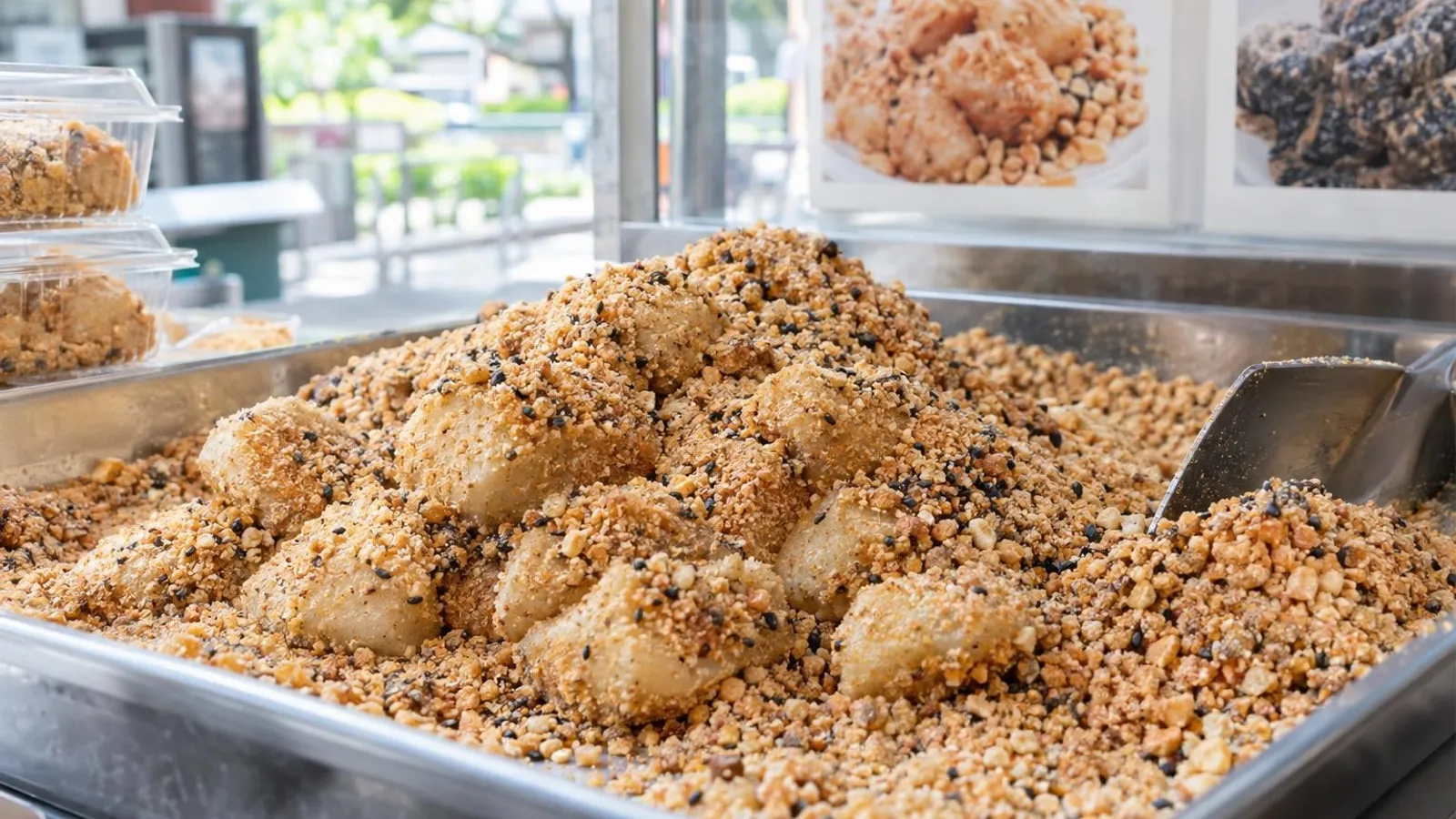
5 Best Muah Chee in Singapore (2026)
Where to find real muah chee in Singapore, from Chinatown Complex and Old Airport Road stalls to a Balestier coffeeshop and a modern Sin Ming kueh shop.
By Amir Wahab4 min read
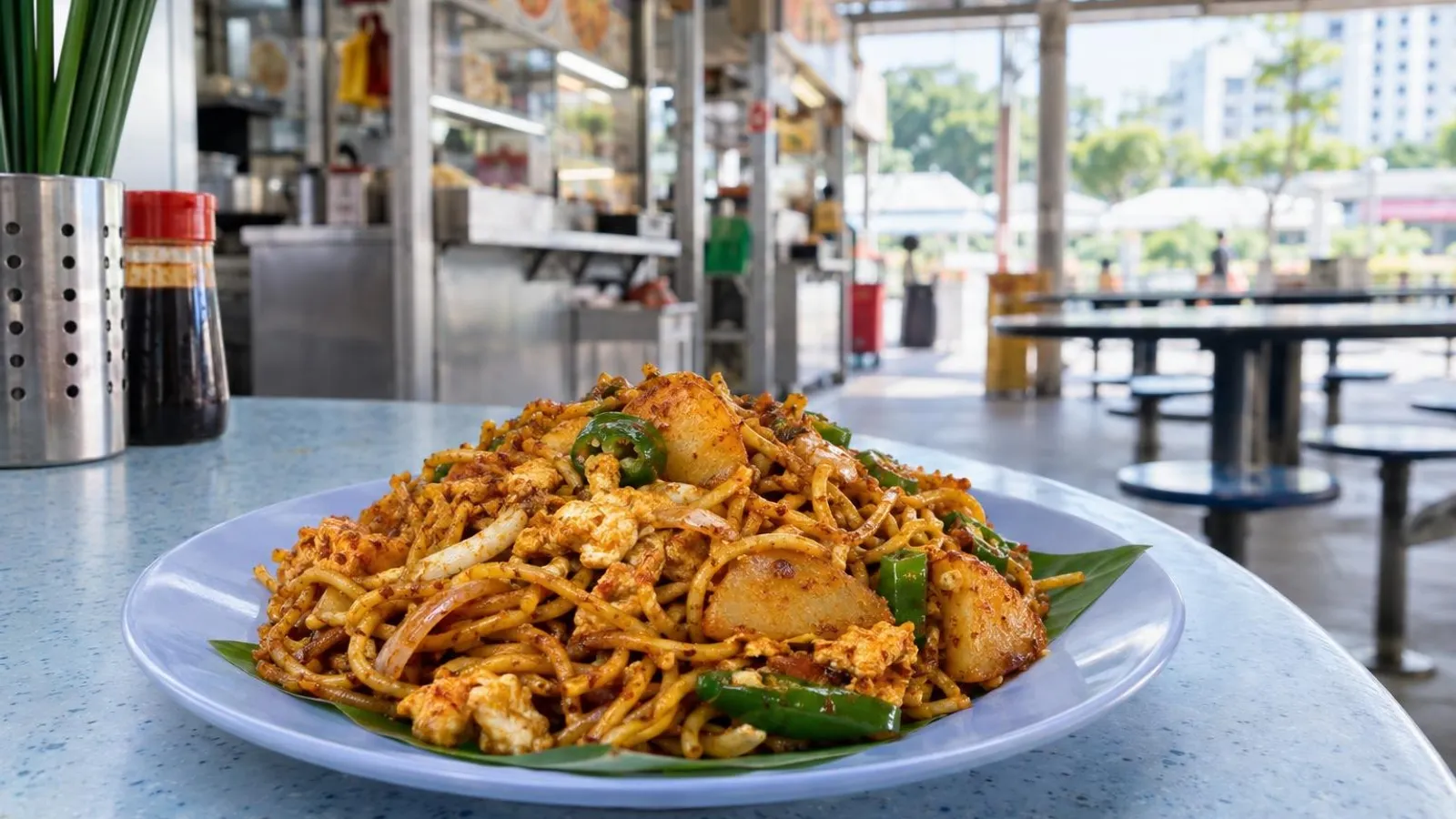
8 Best Mee Goreng in Singapore (2026)
Eight hawker stalls for mee goreng mamak in Singapore - Indian-Muslim fried noodles with mutton, egg and potato, from Marine Parade to Little India.
By Amir Wahab6 min read
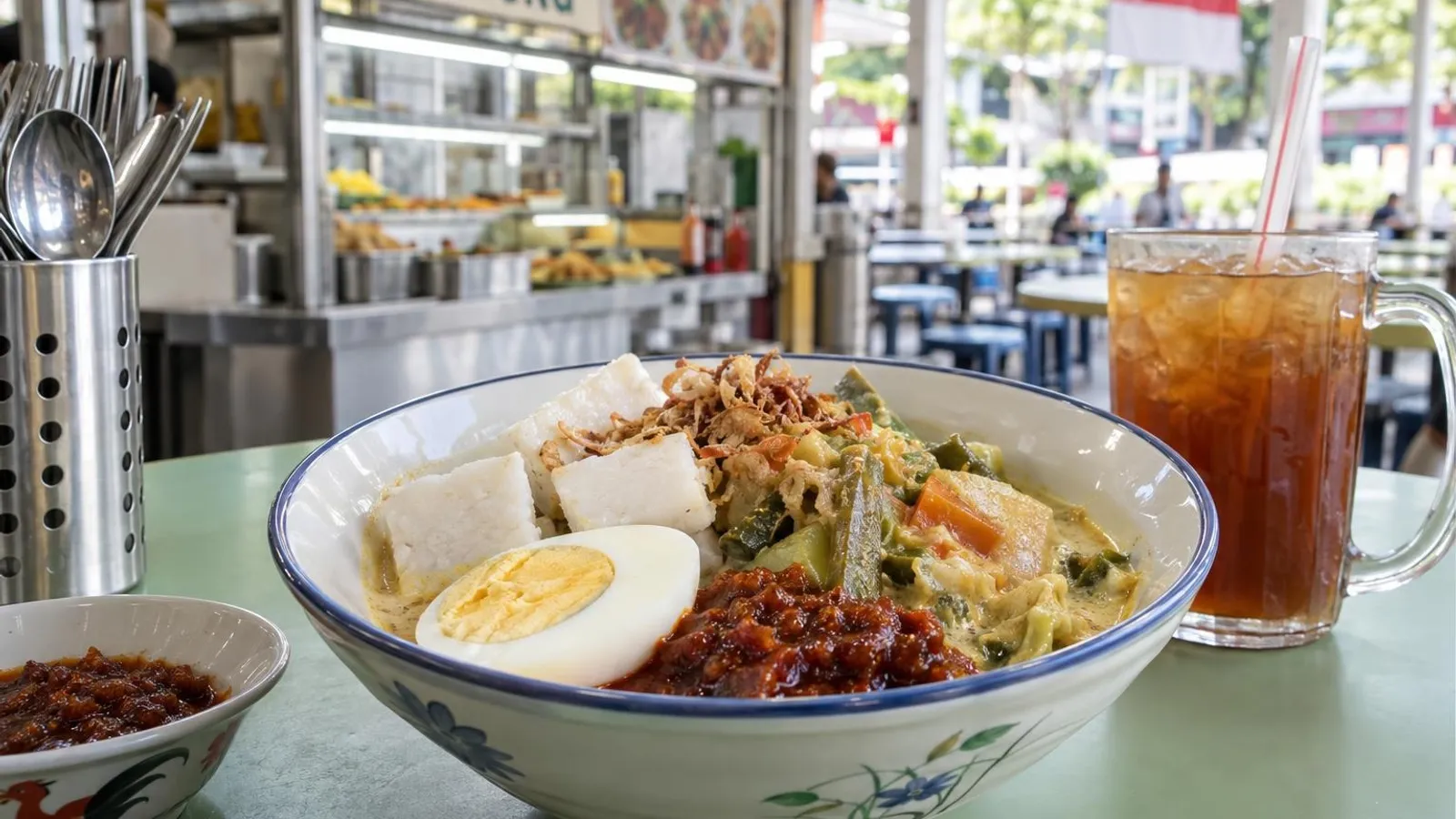
7 Best Lontong in Singapore (2026)
Seven Singapore stalls for real lontong - rice cakes in coconut sayur lodeh with egg, tofu and serunding - from Queenstown and Tampines to Kampong Glam.
By Amir Wahab5 min read
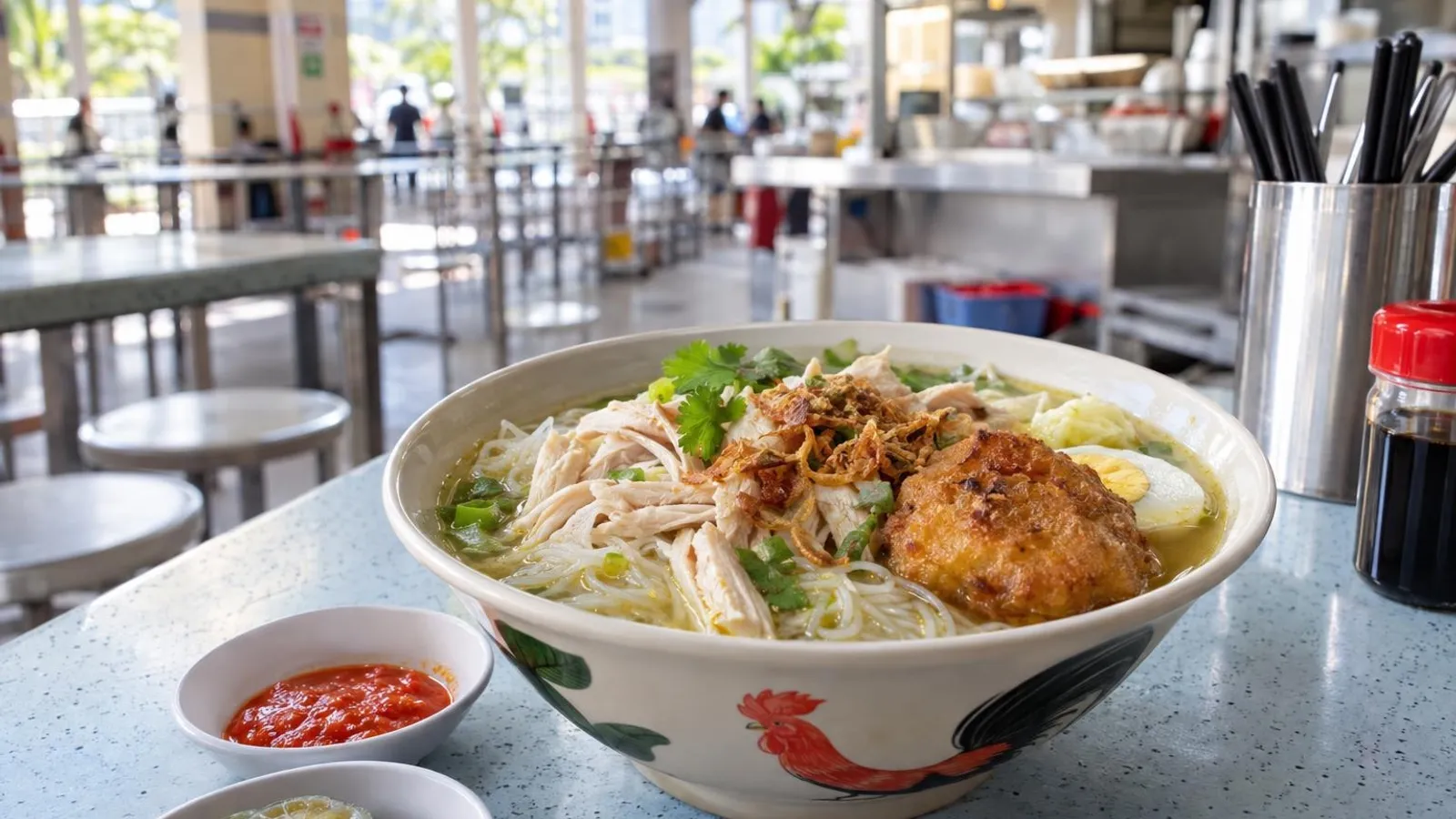
8 Best Soto Ayam and Mee Soto in Singapore (2026)
Singapore's best soto ayam and mee soto: turmeric chicken broth stalls across hawker centres, from Bedok's Inspirasi to Michelin-listed Pondok Makan.
By Amir Wahab6 min read