6 Best Restaurant Reservation Systems in Singapore (2026)
Compare 6 restaurant reservation and waitlist systems F&B owners can use in Singapore, from OpenTable and Chope to Oddle, with tips on how to choose.
- Edited by
- Amir Wahab
- Published
- Reading time
- 5 min read
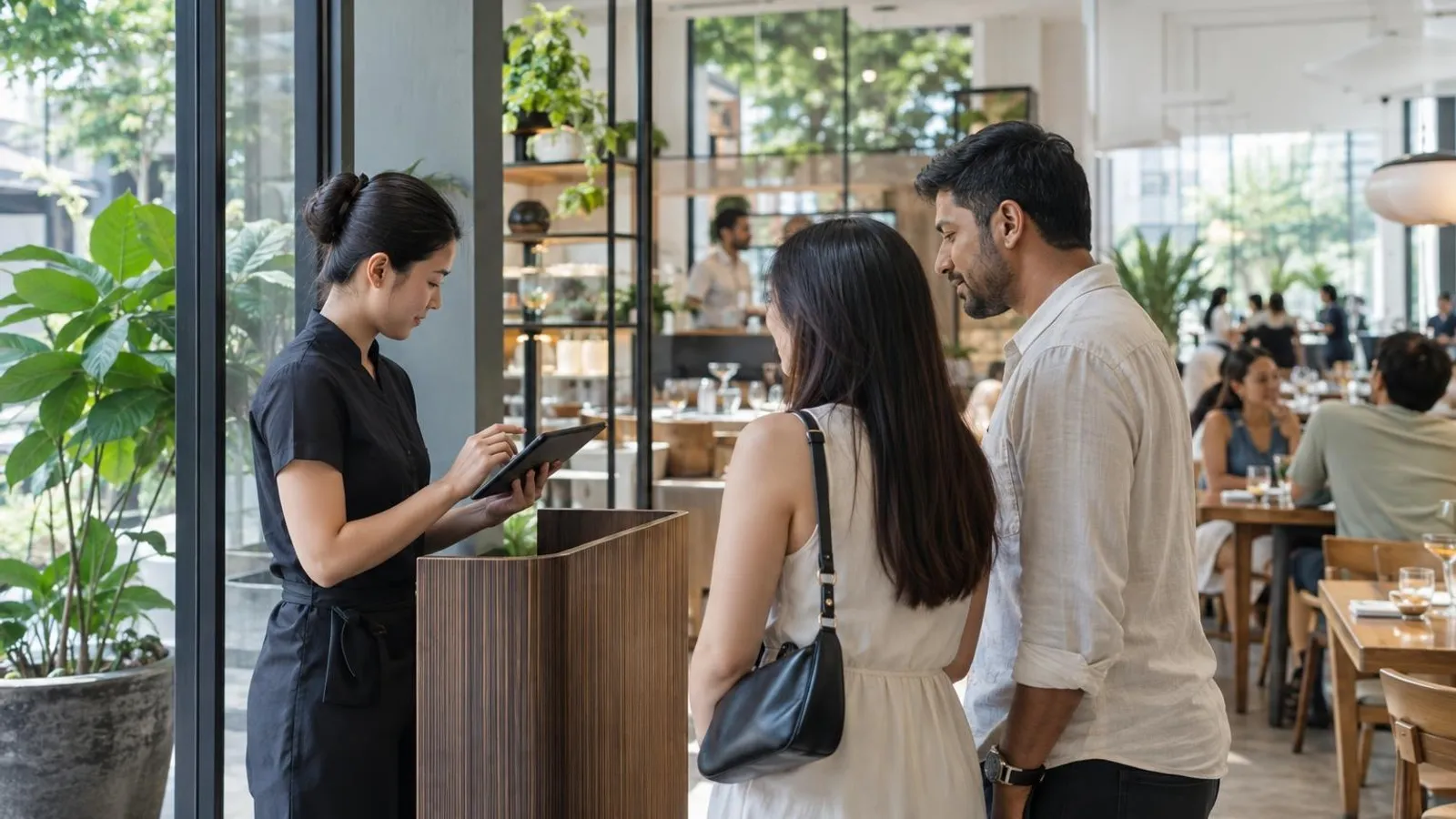 AI image by LocalRank
Taking bookings by phone and WhatsApp works until a busy Friday exposes the gaps: double-booked tables, forgotten notes and no-shows nobody chased. This guide covers six table-reservation and waitlist platforms that restaurant and cafe owners can use in Singapore, from global systems with a Singapore page to local-built tools and a dining marketplace. We read each provider's own website and describe only what it says, so treat the descriptions as the vendor's own claims. Use the list to shortlist two or three, then book a demo, ask about your outlet count and POS, and check current terms directly before committing.
1. OpenTable
OpenTable runs a Singapore version of its restaurant-solutions page, which says the platform covers online, phone and walk-in reservations in one system. The page says restaurants can be found through OpenTable and more than 140 partner sites, naming Google, Meta, Apple Maps and the Michelin Guide among them. For service, it lists automated table assignment, guest tagging, integrations with other restaurant tools, and reports on cover trends and booking sources. It also says staff can keep working offline if the internet drops. A Singapore phone line and a WhatsApp number for sales are published on the page, which suggests local contact is possible. Owners should ask how plans are structured for their outlet count and which POS integrations apply in Singapore.
2. Chope
Chope is a dining platform that describes itself as headquartered in Singapore, so it works differently from a pure software subscription. Its homepage says diners use the app to discover restaurants, book tables, find deals and order pick-up or delivery, and that it works with over 9,000 restaurant partners. For restaurants, the site says Chope offers integrated tools covering reservation, call, queue and table management alongside that diner-facing marketplace. It also lists a For Restaurants section and a way to advertise on the platform. The trade-off to weigh is that a marketplace brings its own diner traffic but also its own listing rules. Ask what you control, who owns the guest data, and how bookings from your own site are handled.
3. Oddle Reserve
Oddle is a Singapore company whose Reserve product has its own page on the Singapore site. The page says guests can book through Google or the restaurant's own website with automated confirmations, and that staff can view bookings as a list, table layout or timeline, including on mobile. It also describes table combinations, card guarantees against no-shows, prepayments or deposits, and ticketed events such as set-menu nights. After the visit, it says the system can send follow-up emails, prompt for Google reviews and email guests who cancel. Oddle's footer shows other products, including a queue system, online ordering and loyalty, so it suits owners who want several tools from one vendor. Ask how Reserve connects to your existing website and POS.
Ayer Rajah
Visit website ↗View on map ↗
4. TableCheck
TableCheck is a Japan-founded booking platform that lists Singapore among its markets. Its newsroom carries a release on launching Reserve with Google in Singapore, a post on its integration with Chope, and live TableCheck booking pages for Singapore venues exist on its site. Its restaurant page describes a branded booking journey, one dashboard that pulls in reservations from several channels, a door waitlist, guest profiles with preference tags, and card payments to charge cancellation fees. It also mentions POS and property-system integrations, which matter for hotel dining rooms and groups. The vendor routes enquiries through a sales form and a sales-support mailbox. Owners of single small outlets should ask whether the product fits their size.
5. Eat App
Eat App is a reservation and guest-management platform, and its blog publishes a Singapore-specific guide dated July 2026, so it is clearly pitching to local owners. Its homepage says it takes commission-free reservations from Instagram, Google and the restaurant's own website, and it lists visual floor planning, a guest database and CRM, a waitlist, WhatsApp messaging, pay-at-table and review management. It also advertises integrations with POS systems and payment processors, upfront payments during the booking flow, and round-the-clock in-app support. Its contact page gives a Dubai office address and a demo-booking link rather than a Singapore office, so confirm how onboarding, billing and support work for Singapore venues before you sign up.
6. inline
inline is a restaurant operations platform from Taiwan whose website lists an Inline apps Pte. Ltd. entity in Singapore alongside offices in Hong Kong, Australia, Taiwan and Japan. Its restaurant site shows Singapore, Hong Kong and Australia as customer markets, and a clients page carries testimonials from managers at Singapore restaurants. The platform is built around reservations, queue management and takeaway ordering, and one testimonial praises capturing bookings from several sources in a single view. A note on the site says the form is only for restaurant owners and not for booking a table. The published customer-service line is a Taiwan number during GMT+8 working hours, so ask how Singapore onboarding and support are handled.
How to choose
- Decide first whether you want software or a marketplace. A booking tool sends reservations from your own site, Google and Instagram into one dashboard, while a marketplace adds its own diners and its own rules. Ask each vendor who owns the guest data and what happens to it if you leave.
- Check the integrations that matter to you. Ask whether the system connects to your POS, your Google booking button and WhatsApp, because a reservation tool that cannot see walk-ins or bills leaves staff re-keying details and makes table turns harder to judge accurately during a busy service.
- Look at no-show protection. Several vendors describe card guarantees, deposits or prepayment for peak nights and set-menu events. Decide which policy suits your guests, then confirm the tool supports it, along with automated confirmations and reminders that reduce cancellations without staff chasing every guest by phone.
- Match the product to your size. A single cafe, a multi-outlet group and a hotel dining room need different floor-plan, reporting and permission features. Ask for a demo using your real table layout, and test how quickly a host can seat a walk-in, move a booking or merge two tables.
- Confirm local support and current terms before committing. Some vendors publish Singapore phone lines or offices, others support the market from overseas. Ask about onboarding, support hours, contract length and exit terms in writing, because websites change and this guide only reflects what each vendor published.
. No changes recorded since.
Founder and Editor
Amir Wahab is the founder and editor of LocalRank, an independent Singapore rankings and local guides publication.
Read next
8 Best Loyalty Programme Platforms in Singapore (2026)
Compare loyalty programme platforms in Singapore for retailers and F&B: digital stamps, points, vouchers and tiers, with what each provider says it offers.
By Amir Wahab6 min read

5 Best Home Tech Support Services in Singapore (2026)
Five Singapore services that send a technician to your home for computer, wifi, printer and device help, plus how to choose one for family or seniors.
By Amir Wahab4 min read

8 Best WordPress Developers in Singapore (2026)
Compare 8 Singapore WordPress developers and studios that build, migrate and maintain WordPress and WooCommerce sites for local SMEs in 2026.
By Amir Wahab6 min read

8 Best Chatbot and AI Assistant Developers in Singapore (2026)
Compare 8 chatbot and AI assistant developers in Singapore that build customer-service bots, WhatsApp assistants and custom AI agents for local businesses.
By Amir Wahab6 min read