6 Best Korean Language Classes in Singapore (2026)
Six Korean language schools in Singapore compared by TOPIK prep, conversation classes, online options and age groups, from Tanjong Pagar to Hougang.
- Edited by
- Amir Wahab
- Published
- Reading time
- 5 min read
 AI image by LocalRank
Korean has moved from a K-drama habit to a serious study goal for many Singaporeans, whether the aim is holiday conversation, a work posting or the TOPIK proficiency exam. This guide covers six Singapore schools that teach Korean and not much else, and it leaves out the multi-language chains already covered in our wider language schools guide. Each entry is described from what the school itself publishes, including its levels, class formats, TOPIK support and the age groups it names. Read the notes on adults, teens and children first, then use the checklist at the end to compare class size, format and placement options.
1. Sejong Korean Language School
Sejong Korean Language School runs its headquarters near Tanjong Pagar MRT, with satellite campuses in Jurong East and Tampines. Its site calls it an MOE-registered Korean language centre and lists regular, express, intensive and private formats, plus corporate training and online classes. The school says its syllabus is closely aligned to the TOPIK exam, using custom-made materials from beginner to intermediate and Seoul university textbooks for pre-advanced and advanced levels. It also says it recruits teachers from leading Korean universities and trains them in-house. The pages we read are written for adult learners and do not mention children's classes. Placement tests and consultations take place at headquarters, so plan a visit there before choosing a level.
Tanjong Pagar
Visit website ↗WhatsApp ↗EmailView on map ↗
2. Korean Explorer Language School
Korean Explorer teaches from its city campus above Tanjong Pagar MRT, and its site says beginner batches also run at a Jurong campus. The published pathway starts with Hangul and conversational basics, moves through intermediate levels and ends with TOPIK preparation. A separate kids' page describes Saturday-afternoon group classes for ages 10 to 15, in a classroom or online. The centre also lists private lessons, online classes and corporate groups, and its course page highlights recorded class videos for revision. Its FAQ describes TOPIK preparation as a one-student-per-class format, physical or online. The school belongs to Learning Explorer Language Centre, a wider language-training group. Families should confirm the current kids' timetable directly, since schedules change by term.
Tanjong Pagar
Visit website ↗WhatsApp ↗EmailView on map ↗
3. SEOUL Korean Language Centre
SEOUL Korean Language Centre, based in Hougang, says its classes are highly interactive and conversational, with dedicated speaking time in every lesson. Teaching runs mainly through live Zoom sessions, and its site invites students to book an appointment to visit the physical classroom. Every course, it states, follows the TOPIK syllabus, and a dedicated page covers the 2026 TOPIK test. Free tools on the site include an online Korean placement test, a Hangul alphabet course and a learning hub with practice materials. Course listings show terms of ten to twelve weeks, starting from Basic 1 and running up to Intermediate. The pages we read name no age groups, so parents of younger learners should ask about minimum ages before registering.
4. Hana Korean Language School
Hana Korean teaches onsite and online, and its site gives the address as Kramat Lane, close to Dhoby Ghaut. Its main selling point is class size: the school says it caps groups at eight students, onsite or online, so everyone gets time to speak. It writes its own course materials, adapted to K-drama content, and explains grammar in English before moving gradually into full Korean. Besides adult beginner and conversational classes it lists private lessons, a preview class and a teens' beginner class for ages 13 to 16. The school states plainly that it does not teach under-13s. It says its courses prepare students to reach the level needed for the TOPIK test, though it does not describe a separate exam-drilling course.
Dhoby Ghaut
Visit website ↗WhatsApp ↗View on map ↗
5. ONLYOU Korean Language School
ONLYOU Korean Language School holds its physical classes in Bukit Timah Shopping Centre and also teaches online. Its site lists a foundation class for absolute beginners, regular classes from beginner up to master level, private lessons and a TOPIK section. Each term is described as eight weekly lessons of 1.5 hours. The school says its teachers are native speakers with teaching licences, and it publishes weekly homework sets and a school blog for extra practice. Its Instagram account is active in 2026 with short Korean-language tip videos. Student testimonials on the site mention TOPIK results, but those are the students' own accounts and not independent evidence. The pages we read do not mention a children's programme or any age limits.
Bukit Timah
Visit website ↗EmailView on map ↗
6. iSpeak Korean Language Centre
iSpeak Korean Language Centre is based at Somerset Road, a short walk from Somerset MRT. Its site lists standard courses plus special courses covering intensive study, grammar revision, advanced conversation and TOPIK preparation, along with private lessons. Classes are offered in a classroom or online, and the homepage shows a Basic 1 standard course with both a Thursday online and a Saturday classroom option, together with free trial sessions in October and November. iSpeak says it was founded by native Korean teachers who have taught at institutions such as NUS and NEX. The page footer still carries a 2021 copyright line, but the dated schedules point to current operation. The pages we read do not state which age groups the centre accepts.
How to choose
- Start with the goal, because it changes the course. Conversation, travel and K-drama learners need speaking time, while exam candidates need TOPIK practice. Some schools in this guide list a dedicated TOPIK course, others say their regular syllabus follows TOPIK. Ask which one you would actually be taking before you register.
- Check the age rules before comparing anything else. Among the schools here, most pages describe adult classes. Hana Korean publishes a teens' class for ages 13 to 16 and says it does not teach under-13s, while Korean Explorer's kids' page names ages 10 to 15. Confirm age limits directly, as they can change by term.
- Decide between classroom, online or both. SEOUL runs mainly on live Zoom with classroom visits by appointment, ONLYOU and iSpeak run physical and online options, and Hana runs onsite and online groups. A convenient location matters for weekly classes, so look at the area each school lists before committing to a term.
- Use the placement and trial options before paying for a term. SEOUL and Hana publish placement tests, Hana offers a preview class, and iSpeak lists free trial sessions. Sejong carries out placement at its headquarters. Starting at the right level matters more than starting soon, especially if you have already studied some Korean elsewhere.
- Ask for the current fee, term length, class size and refund or transfer terms in writing, because they differ between schools and change over time. Treat registration claims and teacher credentials as the school's own statements, and read testimonials as individual opinions rather than evidence of exam results or teaching quality.
. No changes recorded since.
Founder and Editor
Amir Wahab is the founder and editor of LocalRank, an independent Singapore rankings and local guides publication.
Read next
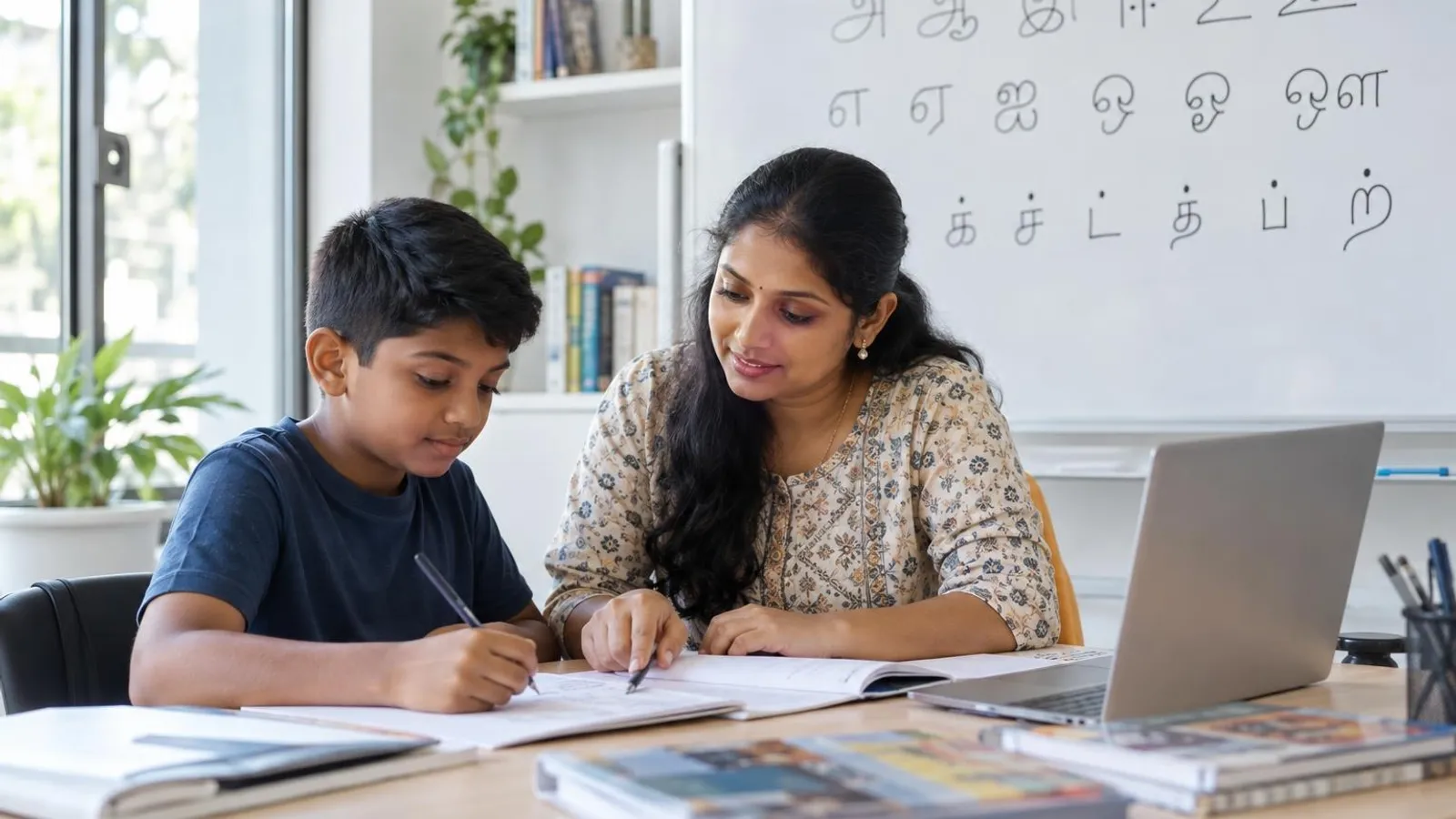
5 Best Tamil Classes in Singapore (2026)
Looking for Tamil classes in Singapore? Compare five providers for children and adults, from PSLE tuition centres to online and onsite adult Tamil courses.
By Amir Wahab4 min read
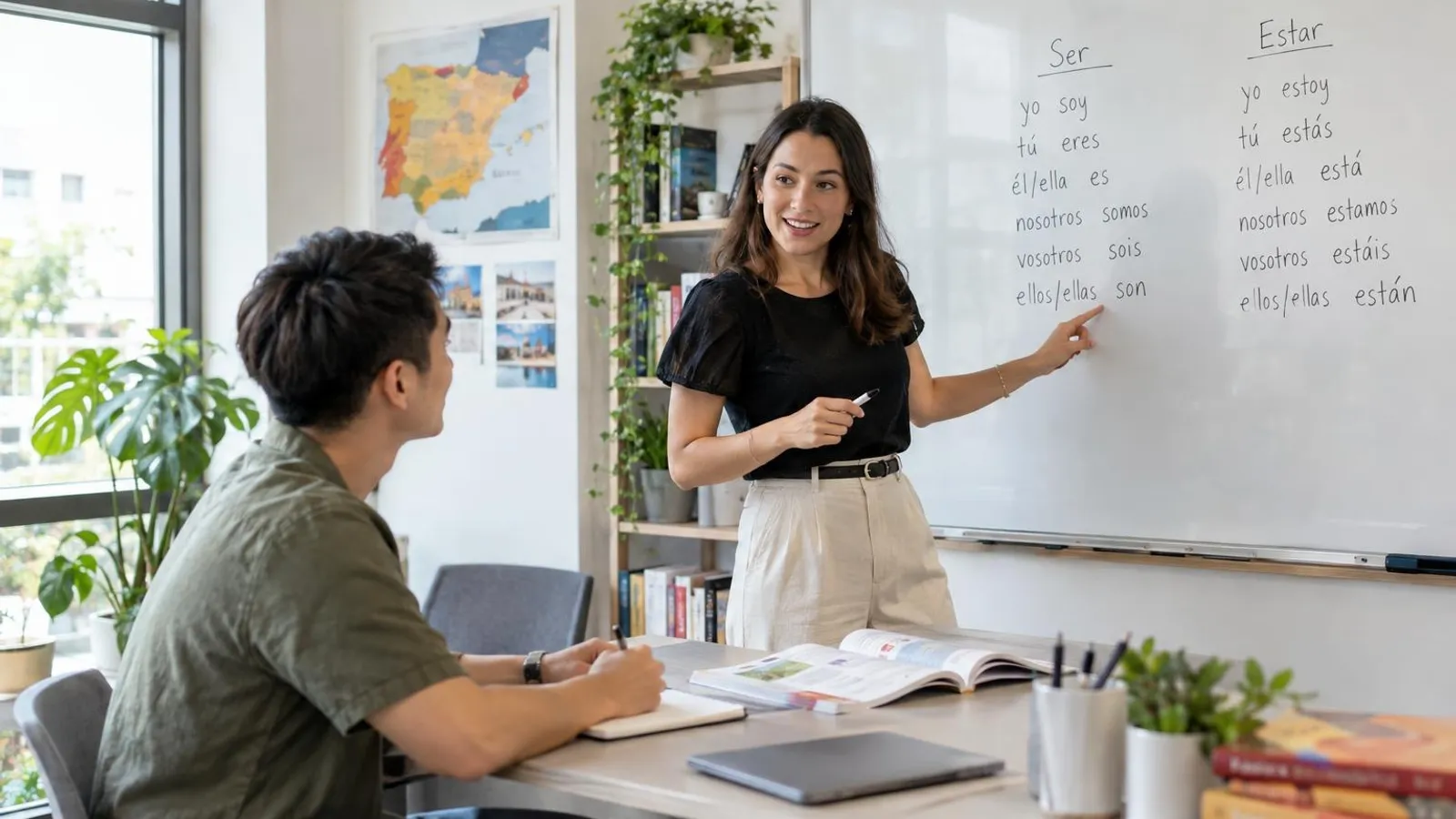
7 Best Spanish Classes in Singapore (2026)
Compare 7 Spanish classes in Singapore for adults and students: group, private and online courses plus DELE exam prep, as each school describes them.
By Amir Wahab5 min read
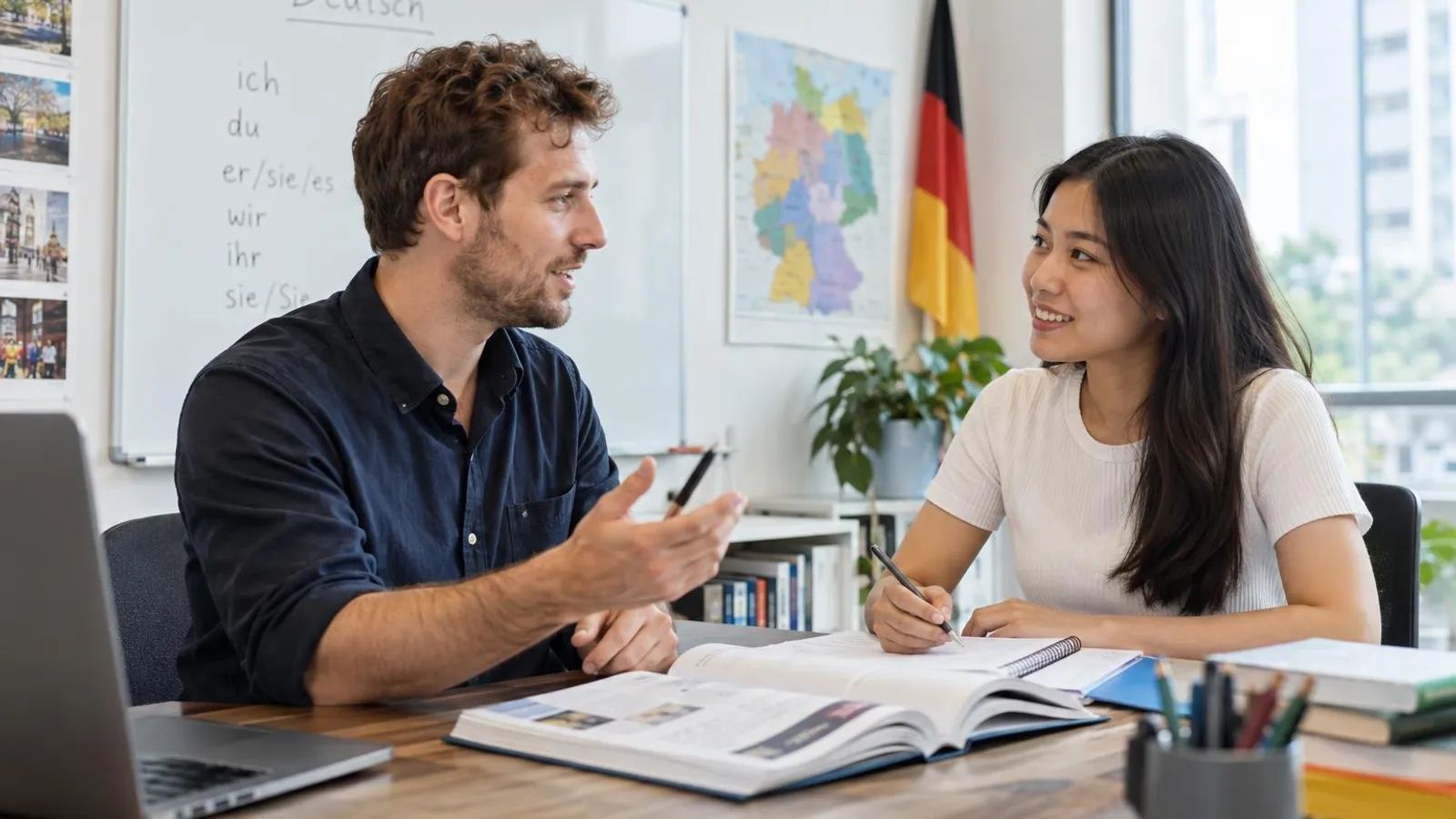
5 Best German Classes in Singapore (2026)
Compare 5 German classes in Singapore: group and private lessons, kids and adult courses, online options and exam prep, drawn from each school's own site.
By Amir Wahab4 min read

7 Best French Classes in Singapore (2026)
Compare 7 French classes in Singapore, from beginner group courses and DELF/DALF exam preparation to private and online lessons. Updated for 2026.
By Amir Wahab5 min read