10 Best Dog Training Services in Singapore
A guide to dog training in Singapore: ten established trainers and schools for puppy classes, obedience, positive reinforcement and behaviour rehab.
- Edited by
- Amir Wahab
- Published
- Reading time
- 5 min read
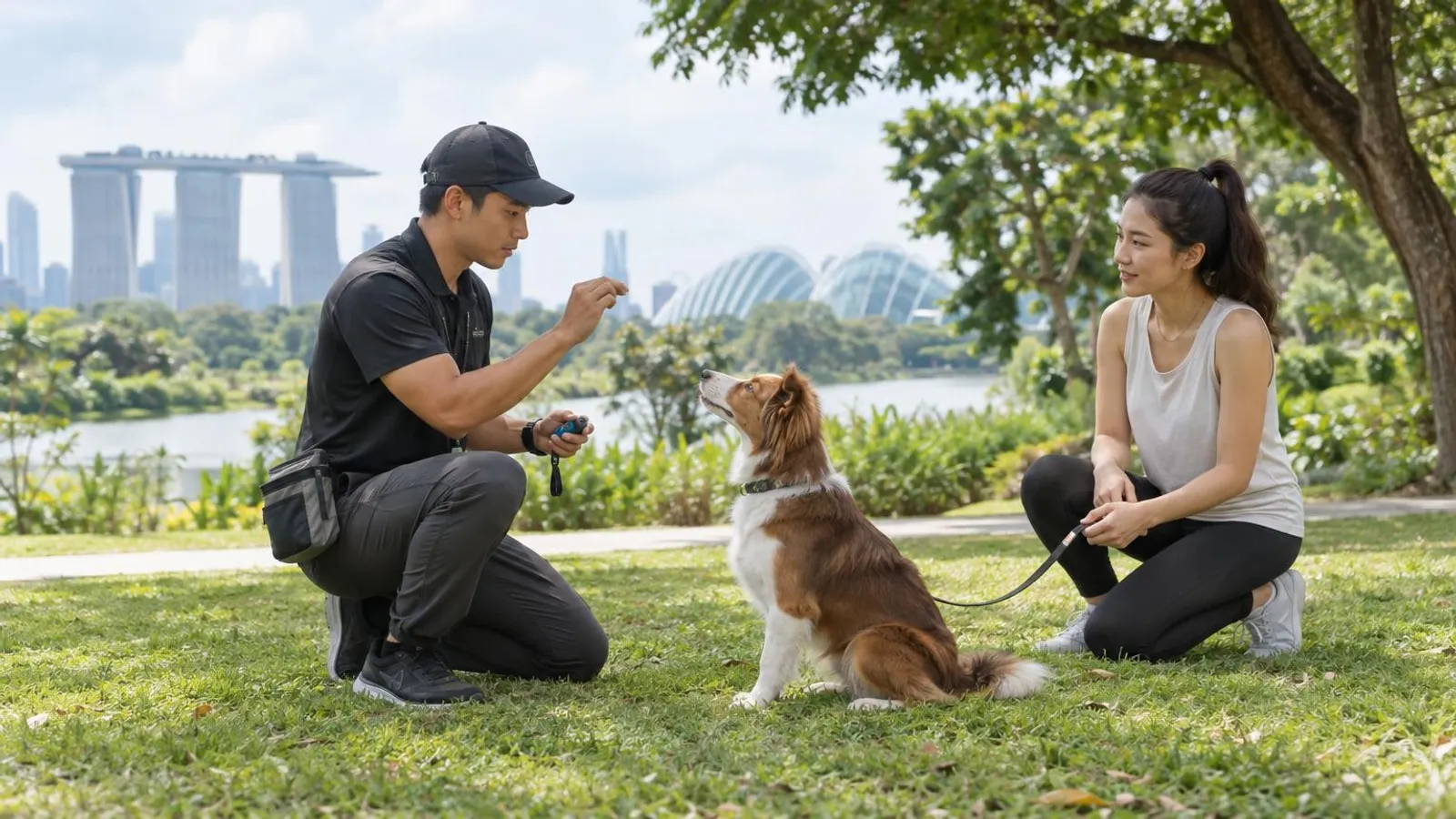 AI image by LocalRank
Good dog training in Singapore ranges from puppy socialisation and everyday obedience to serious behaviour rehabilitation, and the right fit depends on your dog, your goals and how you like to learn. This guide gathers ten established trainers and schools, from big long-running academies to positive-reinforcement specialists and in-home behaviour consultants. Each was checked against its own website, so treat it as a shortlist to compare rather than a strict ranking.
1. Waggie Dog Training School
Waggie is one of Singapore's longest-running dog schools and says it was founded by Patrick Wong in 1985, covering puppy classes, obedience and behaviour correction through both group lessons and private one-to-one training. It describes its methods as science-based and relationship-focused, and its trainers as AVS- and IAABC-accredited. Alongside pet training it has long prepared dogs for stage and screen, which hints at the depth of handling experience behind it.
2. Sunny Chong Dog Training School
Sunny Chong is a large, well-established school that by its own account has operated since 1998 and trained more than 40,000 dogs through positive programmes. Its range is unusually broad for Singapore, spanning multi-level puppy and obedience courses, behaviour modification and one-to-one lessons alongside daycare, boarding and board-and-train stays. That mix makes it a practical pick for owners who want training and boarding under one roof.
3. PUPS Dog Training
PUPS is a positive-reinforcement school in the Canberra area that runs a structured Puppy 101 course for young pups and a multi-level Life Skills obedience programme, plus dog sports such as agility and frisbee. It advertises a strictly reward-based approach, summed up in its own shorthand of 'no prongs, no chokers, no zappers', and offers group classes at Canberra and Bishan parks as well as private, in-home and board-and-train options. Behaviour consulting rounds out the menu for owners tackling specific problems.
4. My Dog Trainer
My Dog Trainer positions itself as an early adopter of positive-reinforcement training locally and says its trainers work from Applied Behaviour Analysis. It covers puppy classes, adolescent and adult obedience, socialisation outings and a dedicated behaviour-change programme, delivered through both group sessions and private consultations. The trainers describe themselves as IAABC-accredited advocates of modern, science-based methods.
5. Pet Coach SG
Pet Coach SG is a modern, rewards-based practice whose team highlights strong academic and professional credentials, including a master's in applied animal behaviour and certifications such as CPDT and a Certified Separation Anxiety Trainer. Its services run from puppy development and obedience to behaviour modification, canine fitness and a specialised one-to-one separation-anxiety programme, offered in small group classes and private sessions. It explicitly rejects punishment-based methods, arguing dogs cannot learn well when punished.
6. Hope For Dogs
Hope For Dogs is a canine training service led by a trainer it identifies as Jacky, offering a Kinder Puppy programme, a Basic Manners course and behaviour-modification work for dogs of any age. It describes its approach as compassionate and reward-based, aiming to address the emotions behind a behaviour rather than just the symptoms, and lists accreditations including AVS-ACDT, IAABC and Fear Free. Assessments and in-home coaching feature in how it works with clients.
7. The Positive Academy
The Positive Academy is a private, one-to-one service that runs its sessions in clients' own homes, focusing on puppy essentials, everyday manners and tougher behaviour issues such as fear, reactivity and aggression. The trainer, who goes by Wee Boon, describes a humane, science-based method built on clear consequences and boundaries rather than fear, and cites AVS accreditation, IAABC certification and a qualification from The Academy for Dog Trainers. Plans are tailored to Singapore living, from HDB corridors to condo lobbies.
8. Motivating Canine
Motivating Canine is run by trainer Jennifer Chua and works largely through private, in-home sessions, with a particular focus on rehabilitating rescue and adopted dogs. Programmes span puppy foundations, basic and advanced obedience, cooperative-care preparation for vet and groomer visits, and behaviour modification for issues like reactivity, resource guarding and anxiety, including HDB Project ADORE support. She describes her methods as reward-based and Fear Free, and lists AVS, IAABC and Fear Free credentials.
9. Pawsitive Furkids
Pawsitive Furkids is a positive-reinforcement school, founded by a pair it names as Patrick and Veronica, that covers puppy kindergarten, obedience, trick training, nosework and behaviour modification, with customised private classes available. It says its trainers hold credentials including Low-Stress Handling Silver certification, AVS-ACDT accreditation and Certified Trick Dog Instructor status. The trick and scent work give it a playful, enrichment-oriented slant on top of the basics.
10. The Dog Listener Consultancy
The Dog Listener Consultancy, led by Ricky Yeo, works with the 'Amichien Bonding' method, a gentle approach rooted in canine communication that it says avoids chokers, electric collars and harsh corrections. It runs a six-session Basic Obedience Foundation group class as well as private home consultations covering puppy socialisation and problems such as toilet training, barking, biting and aggression. Its outdoor group classes are held at parks including Bishan-Ang Mo Kio.
How to choose
- Ask exactly how the trainer works and what they do when a dog gets it wrong. Singapore has no statutory licence for dog trainers, and reward-based, force-free methods are the mainstream recommendation, so be cautious of anyone relying on fear, prong or shock collars for ordinary pet training.
- Use accreditation as a filter. Because the field is unregulated, credentials help: NParks' AVS runs an Accredited Certified Dog Trainer (ACDT) scheme, and international bodies such as IAABC, CCPDT, Karen Pryor Academy and Fear Free signal formal training. Confirm which the trainer actually holds.
- Match the format to your situation. Decide whether you need group classes, private one-to-one coaching, in-home sessions or a board-and-train stay; puppies often benefit from group socialisation, while serious issues like aggression or separation anxiety usually need private, tailored work.
- Be specific about the problem and the trainer's focus. Some specialise in puppies and basic obedience, others in rehabilitating fearful, reactive or rescued dogs, so describe your dog's exact issue up front and confirm the trainer has real experience with it.
- Check the assessment, plan and your own role. A good trainer usually starts with an assessment, explains a clear plan and teaches you to keep it up between sessions, since consistency at home does most of the work; ask what homework and follow-up support are included.
. No changes recorded since.
Founder and Editor
Amir Wahab is the founder and editor of LocalRank, an independent Singapore rankings and local guides publication.
Read next
8 Best Online Pet Stores in Singapore (2026)
Compare 8 Singapore online pet stores that deliver food, treats, litter, toys and accessories for dogs, cats and small pets, plus tips on choosing one.
By Amir Wahab6 min read
7 Best Exotic Pet Vets in Singapore (2026)
Looking for an exotic pet vet in Singapore? Compare clinics that publish care for rabbits, birds, reptiles and small mammals, with areas and what to ask.
By Amir Wahab5 min read
8 Best Dog Boarding Services in Singapore (2026)
Looking for dog boarding in Singapore? Eight AVS-listed dog hotels and boarders compared by format, from cage-free group stays to private suites.
By Amir Wahab6 min read
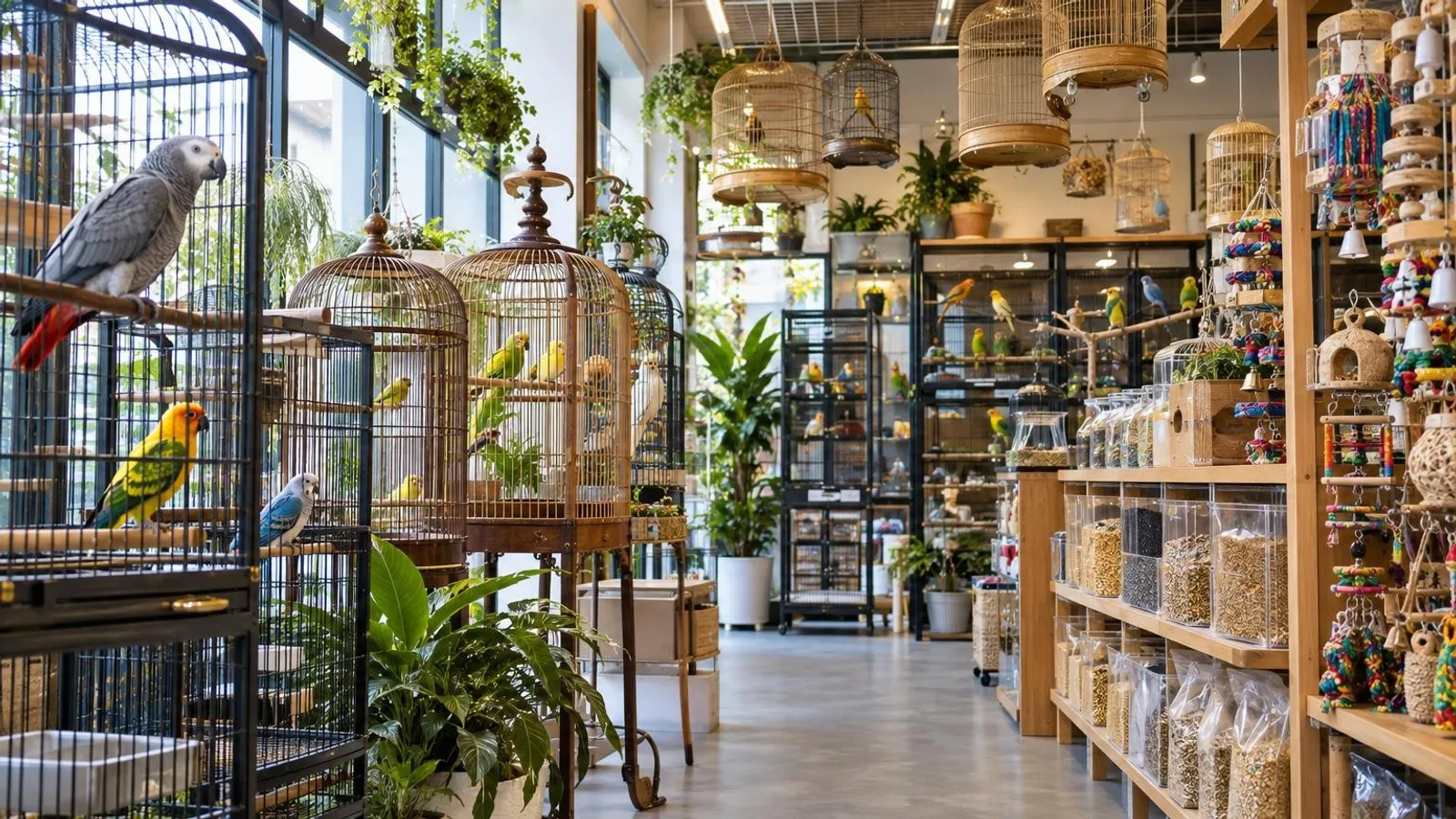
7 Best Bird Shops in Singapore (2026)
Compare 7 of the best bird shops in Singapore, from songbird and parrot specialists in Serangoon and Ang Mo Kio to chains and online stores for cages and feed.
By Amir Wahab4 min read